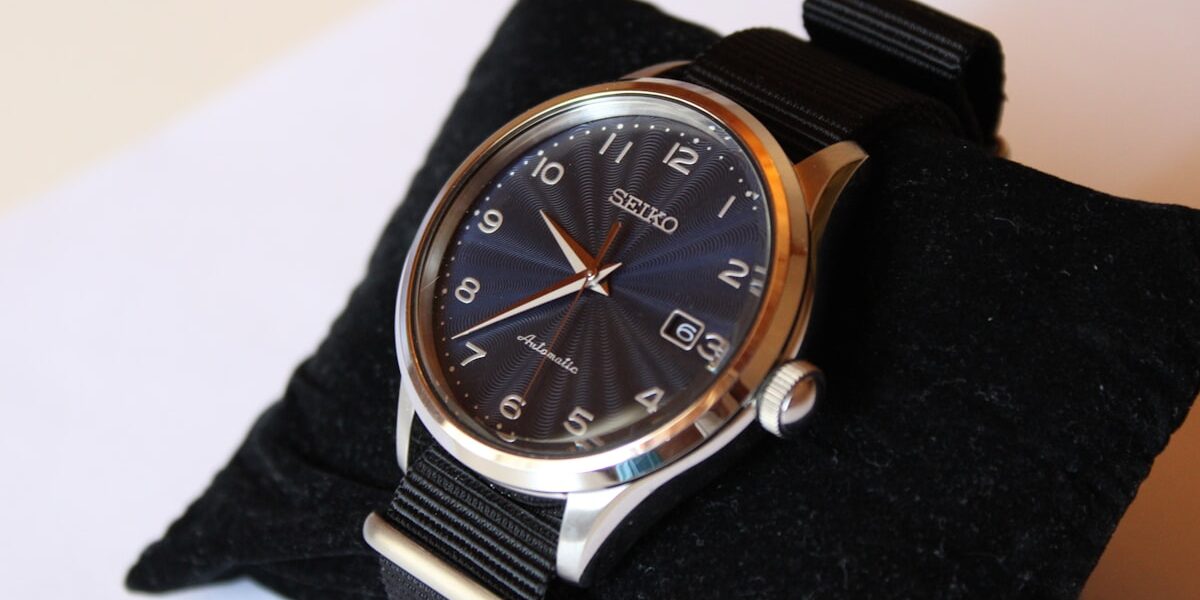
Movement type choices have gotten complicated with all the terminology flying around. Here’s what each type offers for your daily wear.
Watch Movement Types
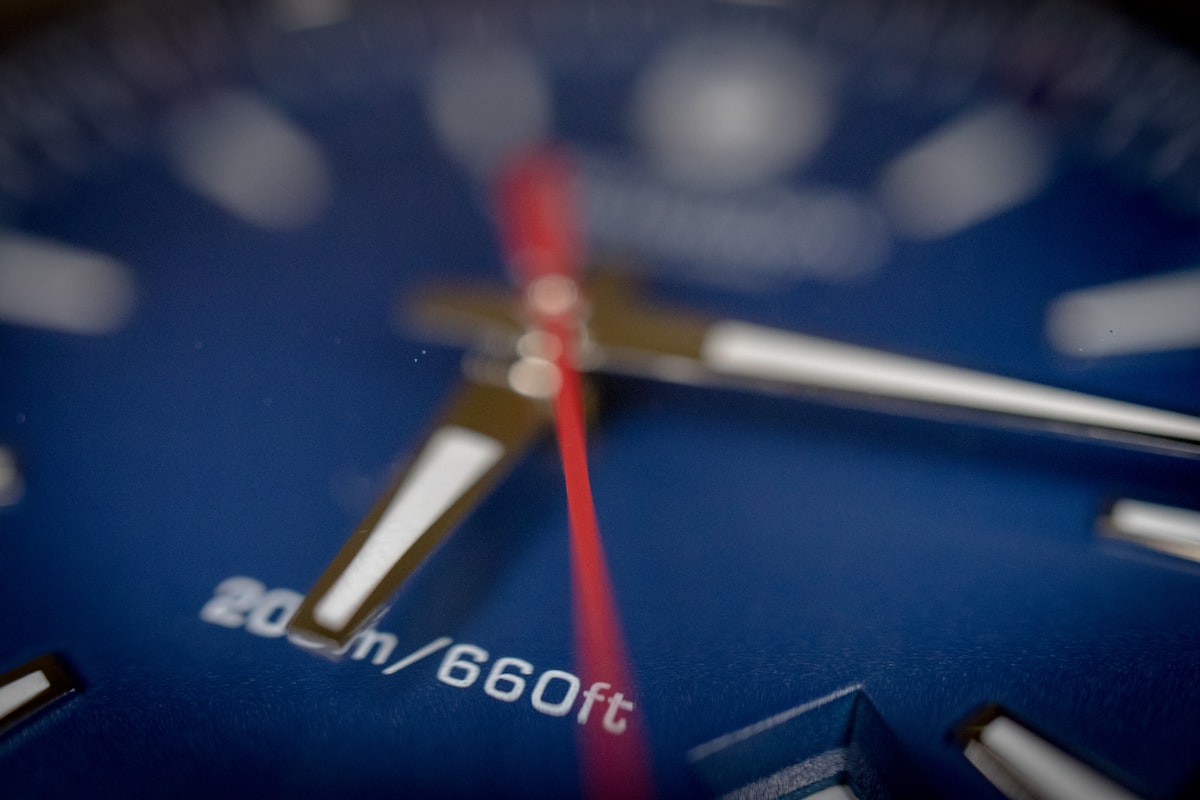
The movement inside a watch determines how it keeps time. Understanding the differences helps you choose a watch that matches your priorities for accuracy, maintenance, and craftsmanship.
Quartz Movements
Quartz watches use battery-powered crystal oscillation. They’re highly accurate, affordable, and low maintenance. Battery replacement every 2-5 years is the main requirement. Most everyday watches use quartz.
Mechanical Movements

That’s what makes mechanical watches endearing to us enthusiasts—traditional craftsmanship at work. They use springs and gears wound by the crown. Regular winding and periodic servicing maintain accuracy. Enthusiasts appreciate the engineering artistry.
Automatic Movements
Automatic watches wind themselves through wrist motion. A rotor converts movement into stored energy. They combine mechanical craftsmanship with wearing convenience. Power reserves vary from 40-80 hours typically.
Choosing Your Movement
Quartz suits those wanting accuracy and convenience. Mechanical appeals to traditionalists and collectors. Automatic offers the best of both worlds for regular wearers. Budget and intended use guide the choice.


Stay in the loop
Get the latest ichronos updates delivered to your inbox.