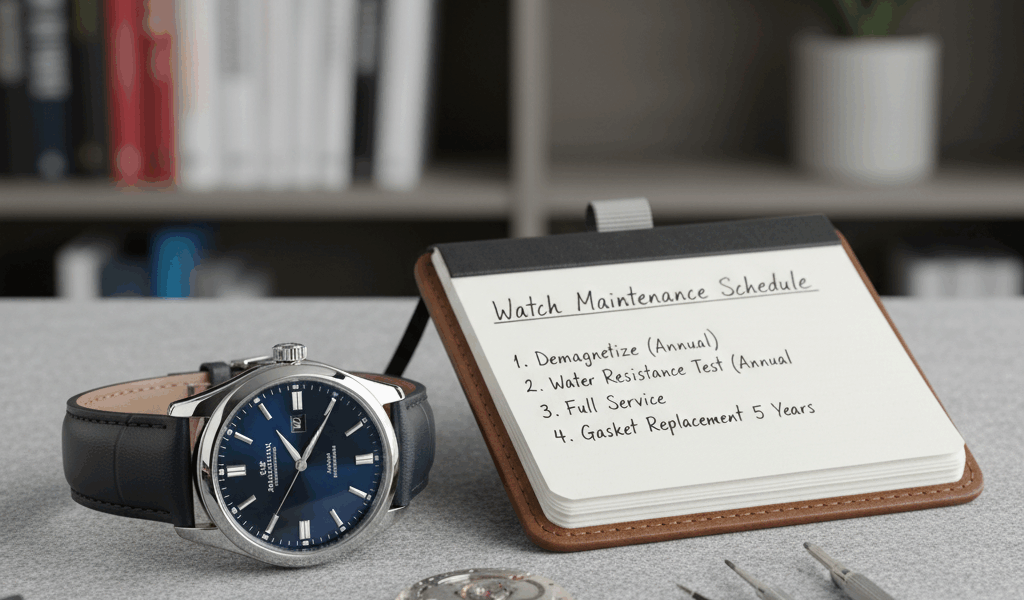
Watch maintenance has gotten complicated with all the conflicting advice and service interval debates flying around. As someone who has learned the hard way what happens when you neglect a mechanical watch, I learned everything there is to know about the degradation happening inside your timepiece right now. Today, I will share it all with you.
Your mechanical watch is a ticking time bomb of degradation. Not literally, of course, but the lubricants inside that precision movement are slowly breaking down right now, whether you wear it daily or keep it locked in a safe. Understanding this inevitable decay is the first step toward preserving your timepiece for decades to come.
The Silent Killer: Lubricant Degradation
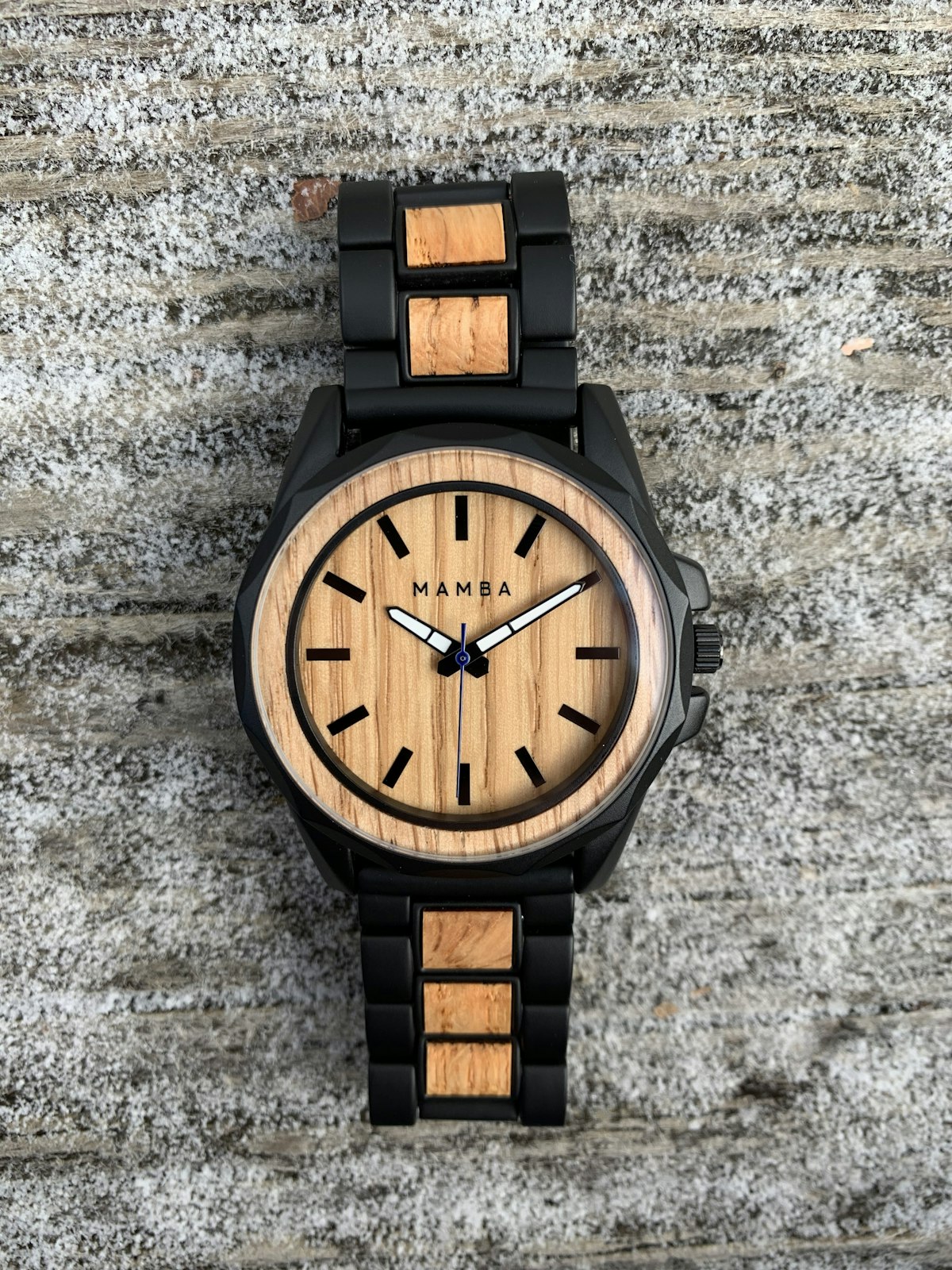
Probably should have led with this section, honestly. Inside every mechanical watch, approximately 50 jeweled pivot points rely on microscopic amounts of synthetic oil to reduce friction. These lubricants, typically Moebius 9010 for fast-moving parts and heavier oils like 9415 for the mainspring barrel, have a functional lifespan of roughly 5-7 years. After that, they begin to dry, migrate, or congeal into a sticky residue that dramatically increases friction on the delicate gear train.
The escapement wheel, spinning at 28,800 vibrations per hour in most modern movements, is particularly vulnerable. When its lubricant fails, you won’t notice immediately. The watch keeps running, but the pallet fork jewels are now grinding against the escape wheel teeth, creating microscopic wear that accumulates into permanent damage.
Gaskets and Water Resistance
That’s what makes gasket maintenance endearing to us paranoid collectors—the rubber gaskets sealing your case back, crown tube, and crystal are under constant assault from ultraviolet light, temperature fluctuations, and simple oxidation. A dive watch rated to 200 meters when new might struggle to survive a swimming pool after five years of neglected gaskets. The O-rings compress, harden, and crack, creating invisible pathways for moisture to invade.
Water damage is particularly insidious because it often goes undetected until catastrophic. A single drop of condensation inside the case can corrode brass components, rust steel parts, and destroy the delicate hairspring that governs timekeeping accuracy. By the time you notice fogging on the crystal, the damage is already extensive.
The Mainspring Factor
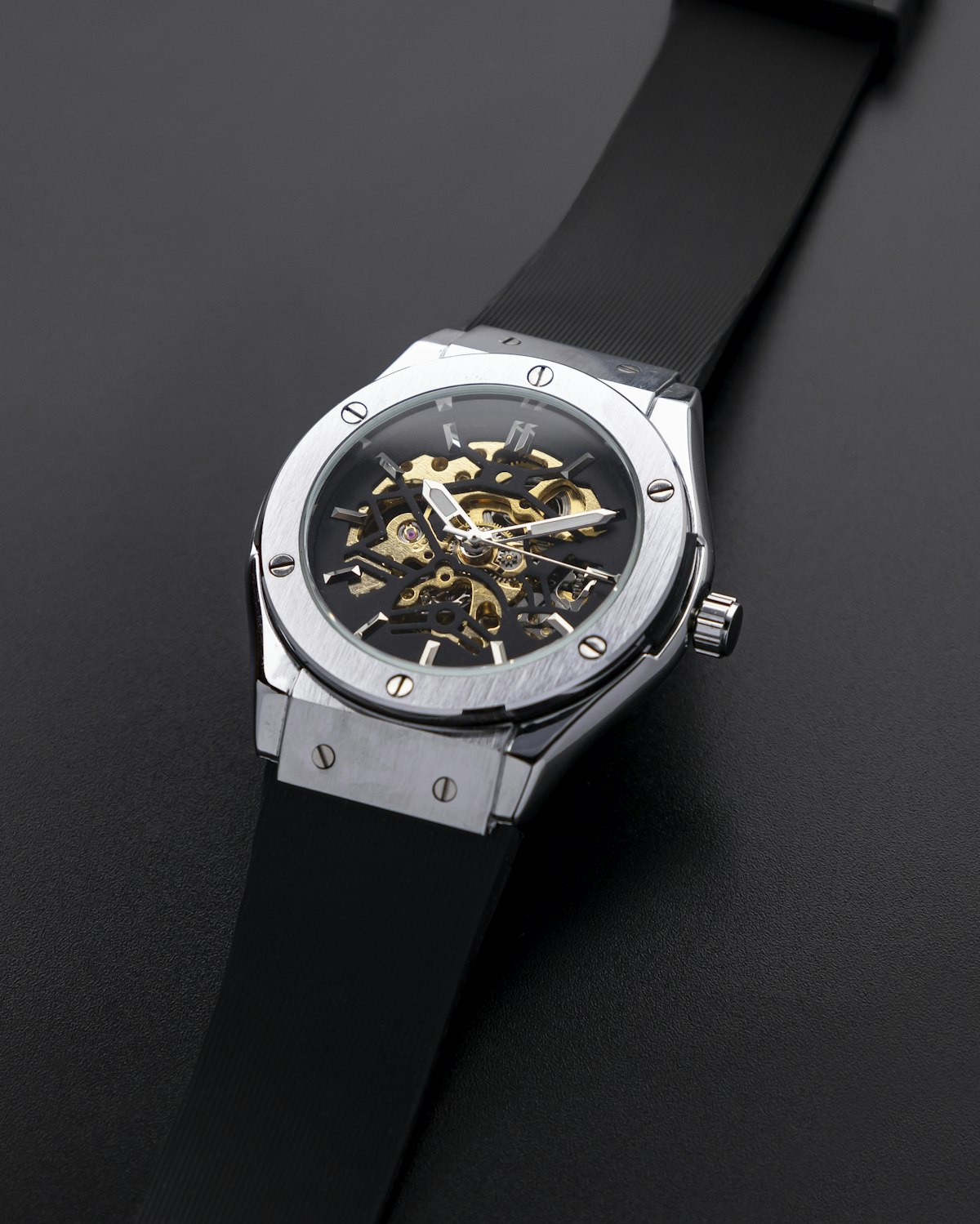
Modern mainsprings, typically made from Nivaflex alloy, are remarkably durable compared to their carbon steel predecessors. However, they still experience metal fatigue over decades of daily winding and unwinding. The lubricant coating the mainspring barrel walls is among the first to fail, creating drag that reduces power reserve and affects amplitude.
A Practical Service Schedule
Most watchmakers recommend complete servicing every 5-7 years, but this isn’t merely upselling. During a proper service, the movement is completely disassembled, ultrasonically cleaned, inspected for worn parts, reassembled with fresh lubricants, and regulated for accuracy. Gaskets are replaced, the case is pressure tested, and the crystal is inspected for cracks or coating wear.
For watches worn daily, especially in demanding conditions, consider a 4-5 year interval. Watches worn occasionally or kept in rotation can often stretch to 7-8 years, since reduced running time means less lubricant breakdown. Vintage pieces, particularly those over 40 years old, may need more frequent attention due to older materials and tighter tolerances.
Warning Signs You Can’t Ignore
Your watch communicates its distress in subtle ways. Gaining or losing more than 10 seconds daily indicates regulation issues, often from dried lubricants affecting the balance wheel’s oscillation. A reduced power reserve, where a fully wound watch runs down faster than specified, suggests mainspring barrel problems. Roughness when winding the crown points to keyless works lubrication failure.
The most alarming sign is also the most overlooked: a watch that suddenly becomes more accurate after years of gaining time. This often means the amplitude has dropped dangerously low as the movement struggles against friction, temporarily compensating for the original regulation. It’s a death rattle, not a recovery.
Saving Your Watch Starts Today
Store your watches properly: moderate temperature, away from direct sunlight, and ideally in a watch box that protects from dust. Keep crowns pushed in or screwed down. Wind manual watches at least monthly even if not worn, to circulate lubricants. For automatics, consider a quality watch winder if the watch won’t be worn for extended periods.
Your mechanical watch was built to last generations, but only if you respect the maintenance reality. The investment in regular servicing is far less than replacing worn components that could have been protected with timely intervention. Don’t let neglect destroy a piece of horological history.



Stay in the loop
Get the latest ichronos updates delivered to your inbox.