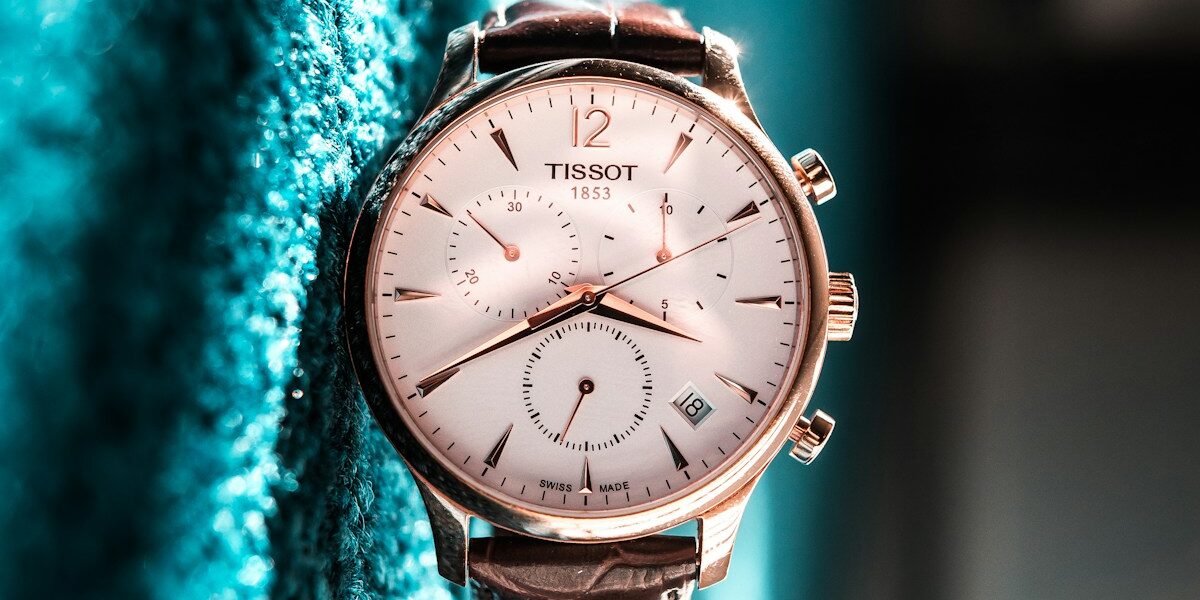
Watch investment has gotten complicated with all the auction headlines and “grail watch” hype flying around. As someone who has collected watches for over a decade and watched my collection’s value fluctuate wildly, I learned everything there is to know about what actually appreciates versus what’s marketing. Today, I will share it all with you.
The Survivorship Bias Problem
Probably should have led with this section, honestly. When discussing watch investment, we cite the winners: the vintage Daytona that sold for $17.75 million, the steel Patek commanding waiting lists, the discontinued Rolexes trading above retail. These stories are true but deeply misleading.
For every Daytona that appreciated spectacularly, thousands of 1970s watches sold into dealer bins for parts value. We don’t hear about the 1980s quartz pieces worth less than their original purchase price. That’s what makes this survivorship bias dangerous—the narrative focuses on outliers while ignoring the typical outcome.
The Rolex Reality
Rolex sport models have genuinely appreciated in recent years, particularly the Daytona, Submariner, and GMT-Master II in steel. Waiting lists stretched to years; grey market premiums reached 50-100% over retail. Real paper gains for owners.
But context matters. The Rolex sport watch bubble peaked in 2022 and has since deflated significantly. A ceramic Daytona that traded at $35,000 grey market now trades closer to $25,000. Owners who bought at peak prices now face losses, not gains.
Even for those who purchased at retail, the “investment” requires comparison to alternatives. Money spent on a Submariner in 2018 could have gone into index funds that doubled. The watch might have appreciated 30%, dramatically underperforming equities while remaining illiquid and requiring insurance.
The Broader Market
Outside the Rolex-Patek-Audemars triumvirate, most watches depreciate. A new Omega Seamaster loses 20-30% walking out of the boutique. A TAG Heuer might lose 40%. Fashion brand watches become essentially worthless on secondary markets.
This depreciation isn’t failure—it’s normal consumer goods behavior. Watches are manufactured objects with production costs far below retail prices. Secondary markets eliminate marketing and retail margins, revealing actual physical value.
What Actually Appreciates
Watches that appreciate share specific characteristics: limited production, iconic designs, cultural significance, desirability exceeding supply. That’s what makes identifying winners endearing to us collectors—and nearly impossible to do reliably.
Vintage Rolex from the 1950s-1970s appreciates because supply is fixed and declining while demand grows. Certain Patek complicated pieces appreciate because production numbers are tiny. Specific limited editions appreciate because artificial scarcity creates collector competition.
But picking tomorrow’s winners? Essentially impossible. No one knew in 2010 that steel Daytona prices would explode. No one knows today which current production becomes tomorrow’s grail. This is speculation, not investment.
The Opportunity Costs
Honest investment analysis considers opportunity cost. Capital in watches cannot simultaneously work in diversified investments. Over ten-year periods required for most watch “investments,” stock markets historically return 7-10% annually.
A $10,000 watch appreciating to $15,000 over ten years returns roughly 4% annually. A $10,000 index fund averaging 8% becomes roughly $21,600. The watch dramatically underperformed while requiring storage, insurance, and remaining illiquid.
The Honest Framework
Watches are luxury consumer goods, not investment vehicles. Some appreciate through unusual circumstances. Most don’t. Those most likely to appreciate are also most expensive and hardest to acquire at retail.
Want investment exposure to luxury goods? Consider LVMH stock. Want watches? Buy what you love and plan to wear it. If it appreciates, pleasant bonus. Not purchase justification.
The Sustainable Approach
Buy watches at prices you can afford as consumption, not investment. Buy pieces you genuinely love and will wear. Accept depreciation as likely and budget accordingly. If future sale recovers value, be grateful rather than expectant.
The “watches as investment” narrative serves marketing purposes. It doesn’t reflect typical experiences or sound financial planning. Enjoy watches for what they are: wearable mechanical art, personal pleasure, perhaps family heirlooms. Investment vehicles? The data says no.


Stay in the loop
Get the latest ichronos updates delivered to your inbox.