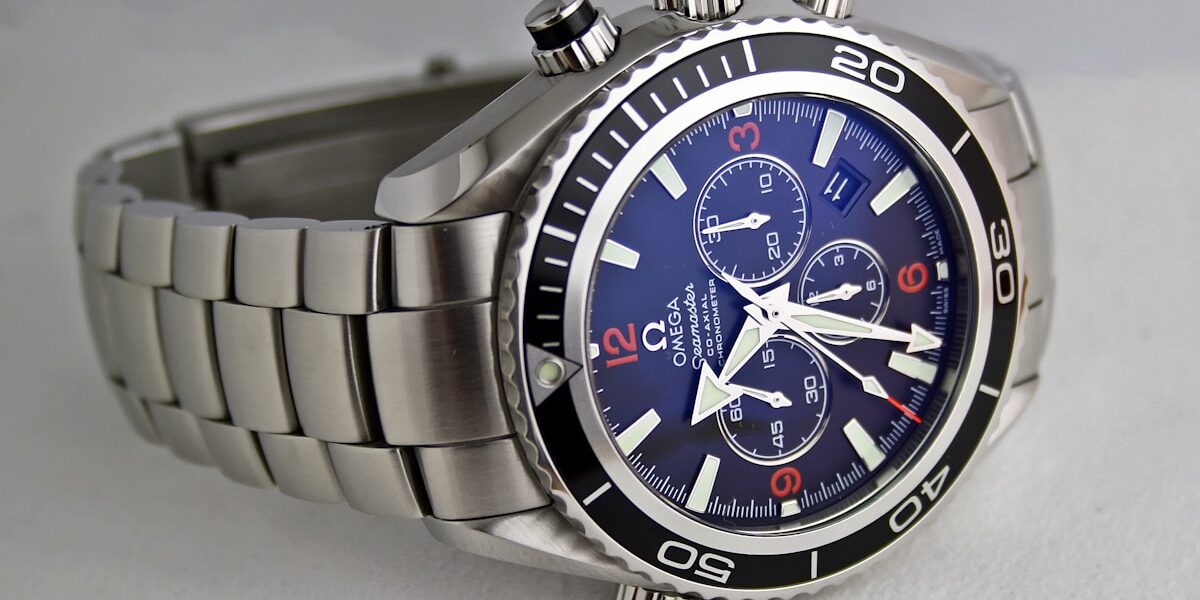
Watch crown technology has gotten complicated with all the marketing claims and water resistance ratings flying around. As someone who’s replaced gaskets and dealt with water damage, I learned everything there is to know about why the crown type on your watch matters more than you might think. Today, I will share it all with you.
The crown seems like a simple component: twist to wind, pull to set. But the difference between push and screw-down crown designs has profound implications for water resistance, durability, and even resale value.
Understanding Push Crowns
Probably should have led with this section, honestly. The push crown is the traditional design. The crown pushes against a gasket in the crown tube, maintaining water resistance through compression alone. This is simpler, less expensive to manufacture, and works perfectly well for dress watches and casual pieces not intended for water exposure.
The gasket provides water resistance typically rated to 30-50 meters. This sounds substantial but represents static pressure, not dynamic. The pressures generated by diving into a pool, taking a shower, or swimming actively far exceed static ratings. A 30m-rated push crown watch should avoid water submersion despite its rating.
Push crowns are easier to operate. Pull, twist, push: no additional step required. For time-only watches or dress pieces, this simplicity is a feature, not a limitation.
The Screw-Down Advantage
That’s what makes screw-down crowns endearing to us watch enthusiasts who actually wear our watches—they provide water resistance that works in the real world. Screw-down crowns thread into the case tube, creating a mechanical seal independent of gasket compression. The crown cannot be accidentally pulled during wear, and the threaded engagement provides water resistance far exceeding push designs.
The mechanism works through simple physics. The threaded crown compresses a gasket against the crown tube when fully tightened. Water pressure at depth actually increases this compression. The crown is physically locked against accidental operation that could compromise the seal during water exposure.
Rolex pioneered the screw-down crown with the 1926 Oyster, revolutionizing watch water resistance. The technology has propagated throughout the industry, becoming standard for any watch marketed as water-resistant beyond light exposure.
The Durability Factor
Beyond water resistance, screw-down crowns offer mechanical protection. The crown tucked into the case and locked is protected from side impacts that bend or snap pushed crowns. The threading distributes stress that would concentrate on gaskets in push designs.
However, threads wear over time. Cross-threading, forced engagement, and general use eventually create play in screw-down systems. The threads can strip, gall, or wear beyond engagement. Replacing crown tubes on screw-down cases costs more than replacing push-crown gaskets.
Proper operation extends thread life: ensure alignment before engaging threads, never force a resistant crown, and fully screw down rather than leaving partially engaged.
Triplock and Enhanced Systems
Rolex’s Triplock system represents the extreme of screw-down technology, featuring three sealed zones within the crown and tube assembly. Used on deep-diving references like the Sea-Dweller and Deepsea, Triplock provides redundant sealing to 1,220+ meters. The distinctive crown tube protrusion identifies Triplock equipped cases and signals serious depth capability.
What This Means For You
For dress watches rarely exposed to water, push crowns work fine and cost less to maintain. For daily wear or any water exposure, screw-down crowns provide necessary protection. For serious diving or professional use, enhanced systems like Triplock add redundancy.
The crown type should match your use case. Paying for screw-down technology on a watch that never sees water wastes money. Trusting push crowns for water activities risks watch damage. Match the crown to the use.



Stay in the loop
Get the latest ichronos updates delivered to your inbox.