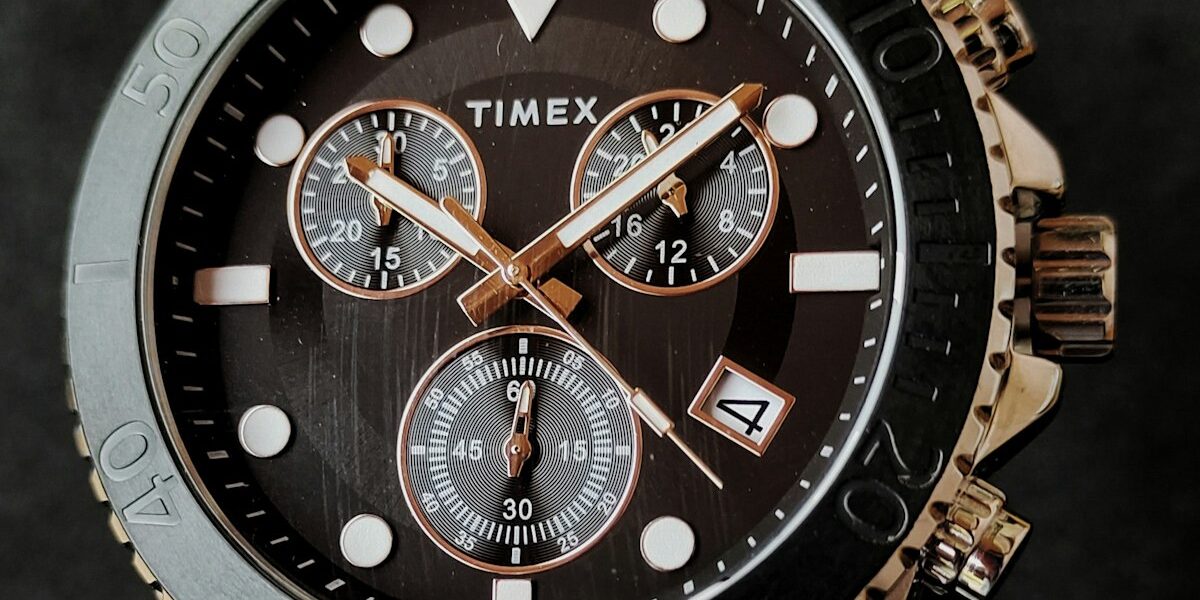
Watch complications have gotten complicated with all the marketing terminology and confusing options flying around. As someone who has evaluated complications across every price range, I learned everything there is to know about what each actually does. Today, I will share it all with you.
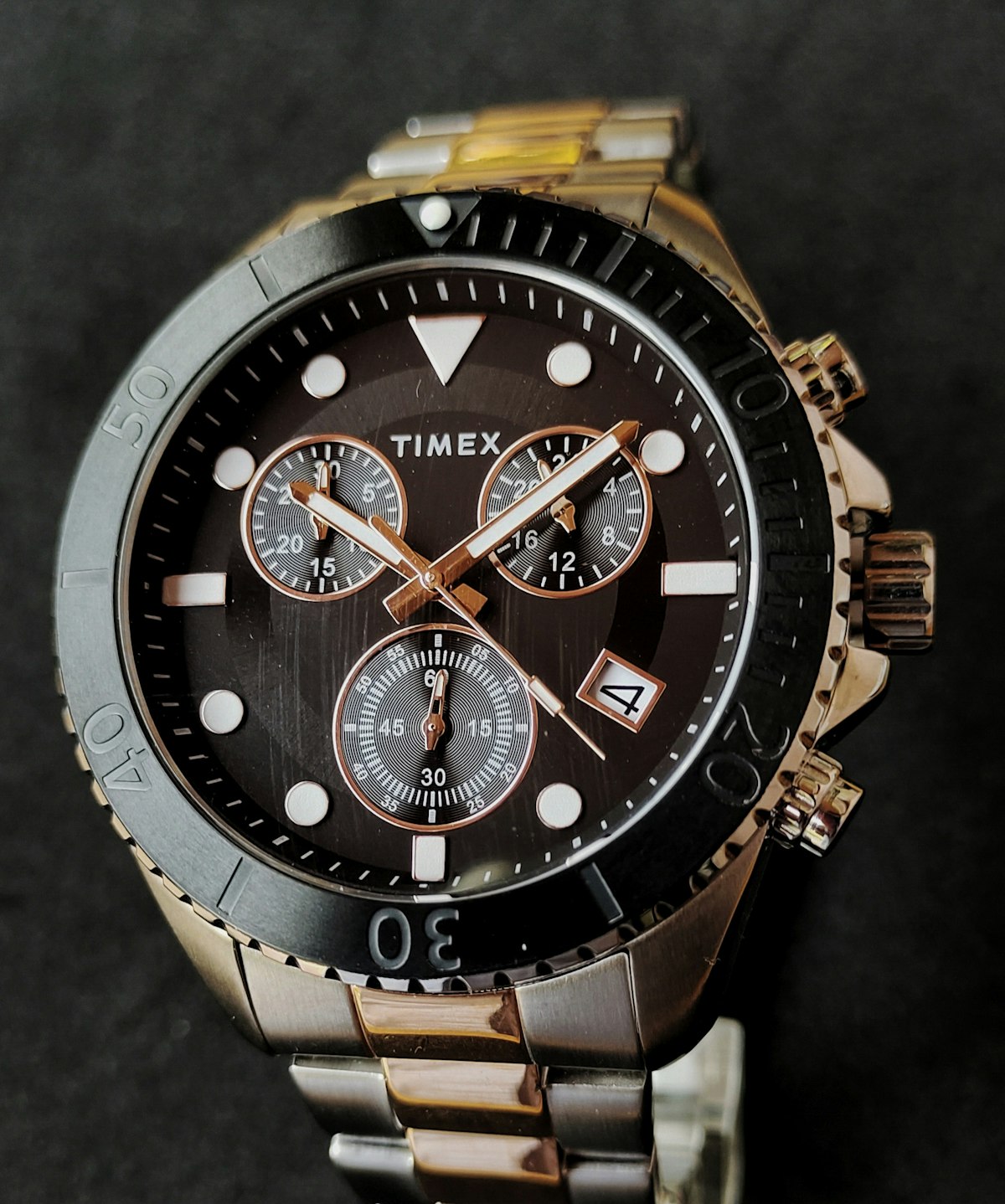
In watchmaking, a “complication” is any function beyond displaying hours, minutes, and seconds. These additional features range from practical (date display) to purely mechanical artistry (minute repeaters). Understanding complications helps you evaluate watches based on what they actually do, not just how they look.
Practical Complications: Functions You’ll Actually Use
Date Display
Probably should have led with this section, honestly. The most common complication shows the current date through a small window, usually at 3 o’clock. Standard date mechanisms require manual adjustment at the end of 30-day months and February.
Quick-set function: Most modern watches allow advancing the date independently by pulling the crown to a middle position and turning. Avoid changing dates between 9 PM and 3 AM when the date mechanism is engaged, as forcing it can damage gears.
Big date displays: Some watches use two separate discs for date numerals, creating larger, more readable numbers. A. Lange & Söhne popularized this design with their Lange 1.
Day-Date Combination
Adding the day of the week to the date proves surprisingly useful. The Rolex Day-Date, introduced in 1956, became iconic for this combination. Day displays typically appear through a window at 12 o’clock or on a sub-dial.
Consideration: Day-date mechanisms add thickness and complexity. If you change watches frequently, resetting both day and date becomes tedious. These work best as daily-wear pieces.
GMT and Dual Time Zones
That’s what makes GMT complications endearing to us travelers—genuinely useful for those with international contacts. These displays show a second time zone using either an additional hour hand pointing to a 24-hour bezel or a separate sub-dial.
True GMT: The main hour hand can be set independently in one-hour increments while the 24-hour hand tracks home time. Rolex GMT-Master II offers this functionality.
Office GMT/Caller: The 24-hour hand adjusts independently while the main time remains fixed. This simpler mechanism suits quick reference to a second zone.
Chronograph: The Stopwatch Function
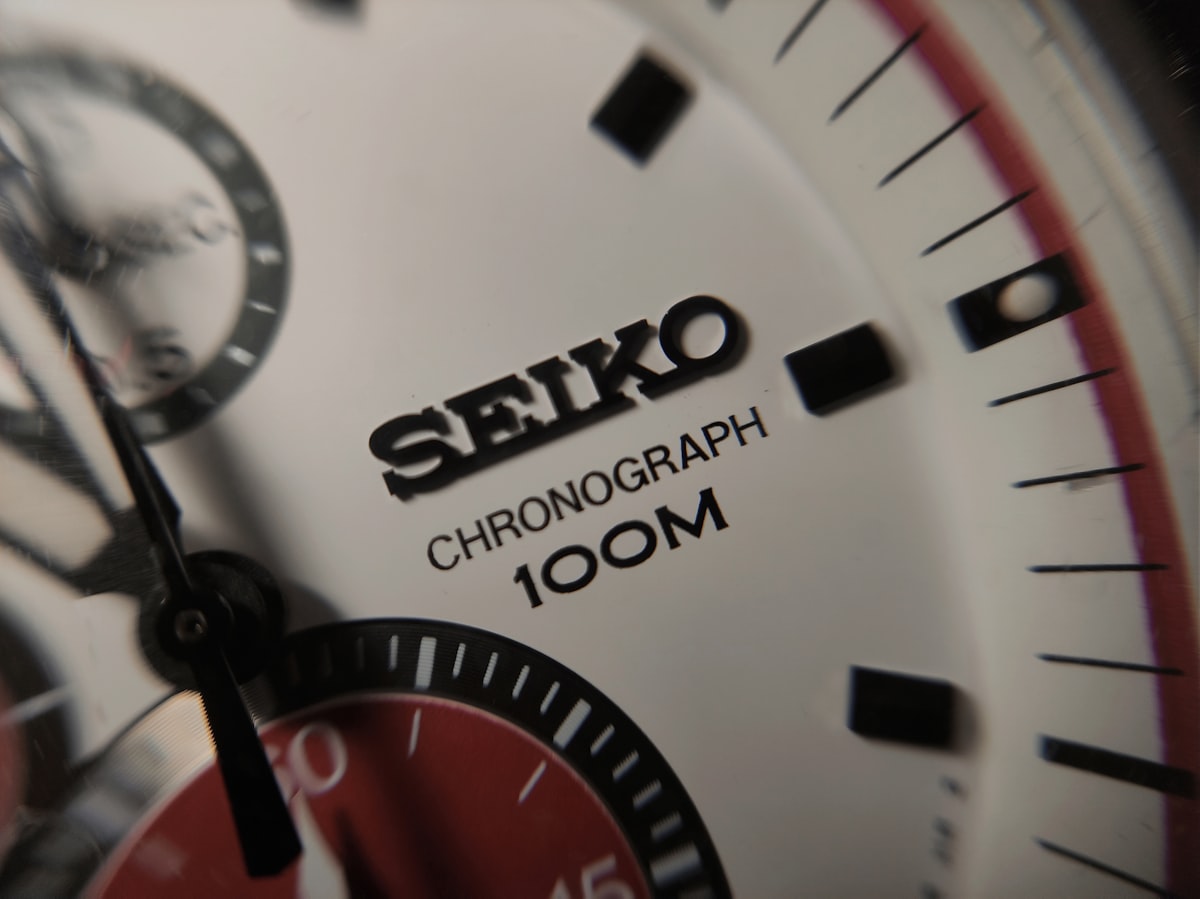
Chronographs add start/stop/reset timing to the watch. Two pushers flanking the crown control the function, and sub-dials track elapsed seconds, minutes, and sometimes hours.
Uses: Racing (with tachymeter scale), cooking, parking meters, presentations, any timed activity. Most chronographs measure up to 12 or 30 minutes, with some extending to 12 hours.
Movement types: Integrated chronographs build the function into the base movement. Modular chronographs add a timing module atop a standard movement. Integrated designs are generally thinner and more refined; modular designs are more affordable.
Flyback chronographs: A single button press stops, resets, and restarts the timer. Pilots use this feature to time sequential segments without fumbling multiple pushers.
Moon Phase: Where Art Meets Astronomy
Moon phase displays show the current lunar cycle through a semicircular aperture. A disc with two identical moons rotates beneath, taking approximately 29.5 days to complete a cycle.
Accuracy: Basic moon phase mechanisms lose a day every 2.5 years. High-precision versions from brands like A. Lange & Söhne and Jaeger-LeCoultre require correction only once per century or longer.
Practical use: Hunters, fishermen, and anyone affected by tides find moon phases marginally useful. For most wearers, the appeal is purely aesthetic—a constantly changing dial element that connects the wrist to the sky.
Power Reserve Indicator
Mechanical watches run on stored energy from a wound mainspring. Power reserve indicators show how much running time remains before the watch stops.
Why it matters: Automatic watches stay wound through wrist movement, but desk workers or those who remove watches frequently may not generate enough motion. Seeing a low power reserve prompts winding before accuracy suffers (mainsprings deliver less consistent power as they unwind).
Display styles: Some watches use gauge-style arcs, others use linear scales or separate sub-dials. Power reserves range from 38 hours in basic movements to 10+ days in specialized designs.
Annual and Perpetual Calendars
Standard date complications need adjustment five times per year (at the end of 30-day months and February). Annual calendars reduce this to once per year, requiring reset only after February.
Perpetual calendars go further, automatically accounting for month length variations and leap years until 2100 (when century rules create an exception). These complex mechanisms use cams, levers, and gears that “know” the calendar programmatically.
Cost and maintenance: Perpetual calendars require significantly more components and precise adjustment. Servicing costs more and demands specialized watchmakers. Annual calendars offer most of the convenience at lower complexity and expense.
Tourbillon: Engineering as Art
Abraham-Louis Breguet invented the tourbillon in 1801 to counteract gravity’s effect on watch accuracy when carried in a pocket. The entire balance wheel and escapement rotate inside a cage, averaging out positional errors.
Modern reality: Wristwatches move constantly on the wrist, naturally averaging positional errors without a tourbillon. Today, tourbillons serve primarily as demonstrations of watchmaking skill rather than practical accuracy improvements.
Visual appeal: Watching a tourbillon rotate (typically once per minute) through a dial aperture remains captivating. The complexity justifies premium pricing, with entry-level tourbillons starting around $15,000 and elite versions exceeding $1 million.
Minute Repeater: Sound and Fury
Minute repeaters chime the current time when a slide or pusher activates them. Separate tones indicate hours, quarter hours, and minutes. Before luminous dials and electric light, repeaters allowed telling time in darkness.
Mechanism: Hammers strike tuned gongs wound around the movement. The complexity of the striking mechanism, combined with acoustic engineering to project sound through the case, makes minute repeaters among the most challenging complications to create.
Modern use: Entirely impractical but deeply impressive. Minute repeaters demonstrate the pinnacle of mechanical watchmaking art. Prices start around $100,000 and reach into the millions.
Choosing Complications That Matter to You
Before paying premium prices for complications, honestly assess whether you’ll use them:
- Date display: Useful for almost everyone. Worth the minimal added cost.
- Chronograph: Useful if you time things regularly. Otherwise, you’re wearing extra weight and complexity.
- GMT: Valuable for travelers and those with international contacts. Otherwise redundant with your phone.
- Moon phase: Primarily aesthetic. Choose if the dial appeal justifies the cost.
- Power reserve: Useful for automatic watches worn irregularly. Less relevant for manual-wind pieces you’ll handle daily.
- Perpetual calendar: Convenient but expensive. Most people can reset a date five times per year without hardship.
- Tourbillon: Mechanical art, not practical improvement. Buy for appreciation of craftsmanship, not function.
- Minute repeater: The ultimate collector’s complication. Absolutely impractical but undeniably impressive.
Complications add interest, function, and value to mechanical watches. Understanding what each does—and honestly assessing whether you need it—leads to purchases you’ll appreciate rather than regret.


Stay in the loop
Get the latest ichronos updates delivered to your inbox.