Watch pricing has gotten complicated with all the hype and speculation flying around. As someone who has hunted for quality pieces at every price point, I learned everything there is to know about finding serious watches without serious money. Today, I will share it all with you.
The watch industry relentlessly pushes upmarket, with $5,000 treated as entry-level and five figures as the “real” starting point. But serious horology exists under $1,000. Not compromised fashion watches or disposable beaters, but genuinely impressive timepieces with legitimate movements, quality construction, and designs that hold their own. Here’s where to find them.
Seiko: The Value King
Probably should have led with this section, honestly. Seiko’s Presage line delivers Japanese craftsmanship at remarkable prices. The Cocktail Time series, with its dial finishing that rivals watches at five times the price, runs on the 4R35 or 4R36 automatic movements with 40+ hour power reserves. At $300-500, you get sunray brushed dials, sapphire crystals, and exhibition casebacks. The enamel-dial Presage models approach haute horlogerie dial work at under $1,000.
The Seiko Prospex divers offer legitimate tool watch capability. The SPB series uses 6R35 movements with 70-hour power reserves, upgraded from the earlier 4R movements. Water resistance to 200 meters, ISO-certified dive watch construction, and Seiko’s proven durability make these professional instruments that happen to cost $600-900.
Seiko 5 represents the value floor. At $100-300, the SNK and SNXS series offer genuine automatic movements, Hardlex crystals, and proven reliability. They’re not refined, but they’re real mechanical watches that teach horology without risking serious money.
Orient: In-House at Entry Prices
Orient, owned by Seiko but operating independently, offers in-house manufactured movements at prices that make Swiss brands uncomfortable. The Orient Star line, particularly the Classic and Contemporary series, features beautifully finished dials, sapphire crystals, and Orient’s own calibers for $400-800.
The Kamasu diver at around $250 delivers sapphire crystal, 200m water resistance, and a genuinely attractive design. The Bambino dress watch series offers classic styling with exhibition casebacks for under $200. These aren’t compromised designs; they’re strategic value positioning by a vertically integrated manufacturer.
Tissot: Swiss Heritage Access
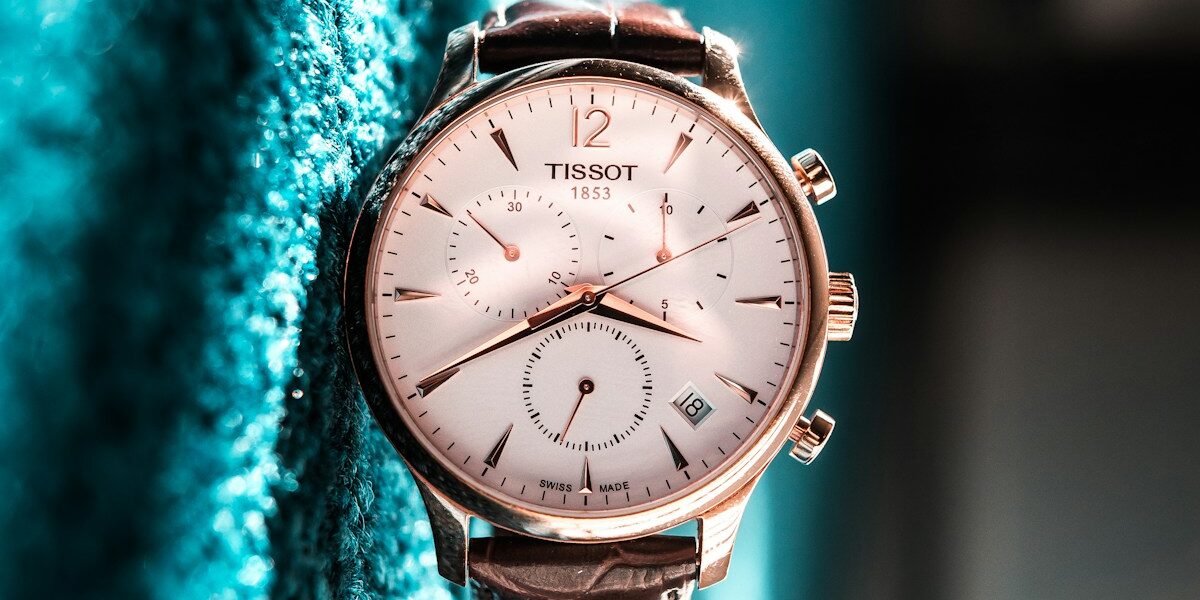
That’s what makes Tissot endearing to us value hunters—they occupy the Swatch Group’s accessible Swiss position, leveraging ETA movement supply and 170+ years of heritage. The Tissot PRX Powermatic 80 has become the sub-$1,000 icon, combining 1970s integrated bracelet styling with the excellent Powermatic 80 movement featuring 80-hour power reserve. At $675, it’s a legitimate luxury sport watch without luxury prices.
The Gentleman Powermatic 80 Silicium adds silicon hairspring technology for magnetic resistance, typically a feature of $3,000+ watches, at around $750. The Le Locle and Visodate lines offer classic dress watch aesthetics with Swiss automatic movements for $400-600.
Hamilton: American Heritage, Swiss Movements
Hamilton’s Khaki Field series offers perhaps the best sub-$500 mechanical field watches available. Swiss ETA or Powermatic movements power designs tracing back to actual military contracts. The Khaki Field Mechanical at $500 uses an H-50 manual movement with 80-hour power reserve, an extraordinary specification at this price.
The Jazzmaster line brings Swiss dress watches under $1,000. The Viewmatic at $700-900 offers open heart dials, sapphire crystals, and refined finishing that photographs well above its price point.
Microbrands and Independents
The microbrand revolution has created remarkable value. Brands like Christopher Ward, Baltic, Lorier, and Farer offer original designs with quality Swiss or Japanese movements at prices undercutting traditional brands. Christopher Ward’s C63 Sealander uses Sellita SW200 movements with sapphire and 100m water resistance for $600-800.
Baltic’s Aquascaphe diver at around $700 features distinctive sector dials, Miyota 9039 movements, and vintage-inspired design that has generated genuine collector enthusiasm. Lorier’s Neptune offers bronze case options and dive watch capability under $600.
What You’re Getting (and Missing)
At under $1,000, expect quality automatic movements with 40-80 hour reserves, sapphire crystals, solid build quality, and designs that compete aesthetically with much pricier watches. You’re getting 90% of the experience.
What you’re typically missing: in-house movements from Swiss brands (most use ETA/Sellita), exotic materials, hand-finishing visible under loupe inspection, and brand prestige that impresses at cocktail parties. The watches work just as well as timekeepers; they lack the intangibles that justify five-figure prices.

Stay in the loop
Get the latest ichronos updates delivered to your inbox.