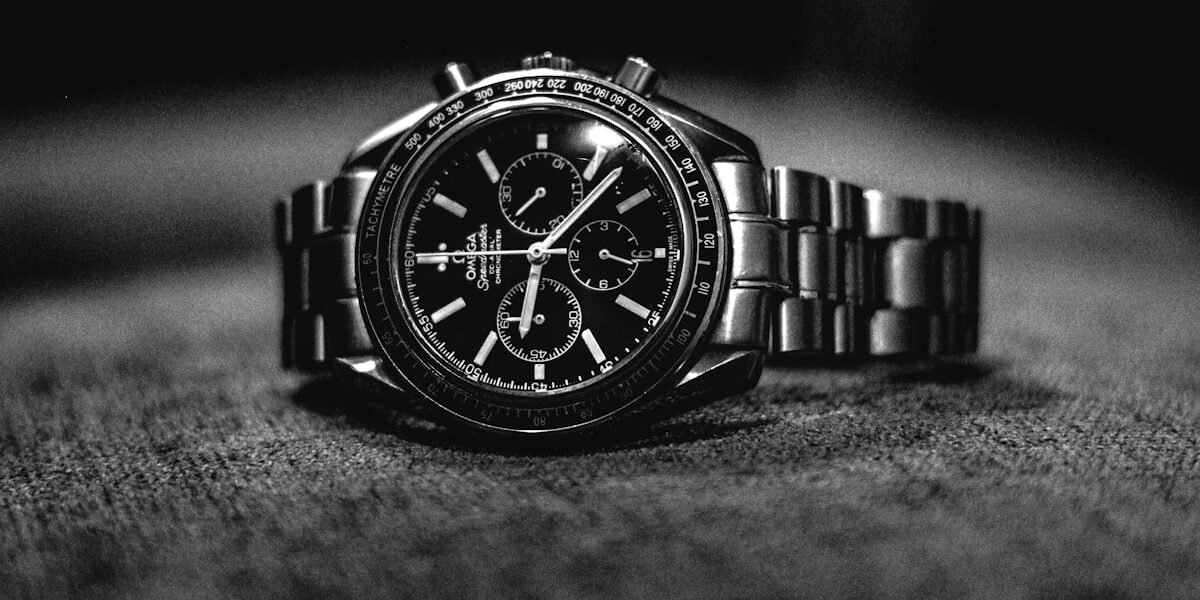
Water resistance ratings have gotten complicated with all the misleading marketing flying around. Here’s what those numbers actually mean for real-world use.
Understanding Watch Water Resistance
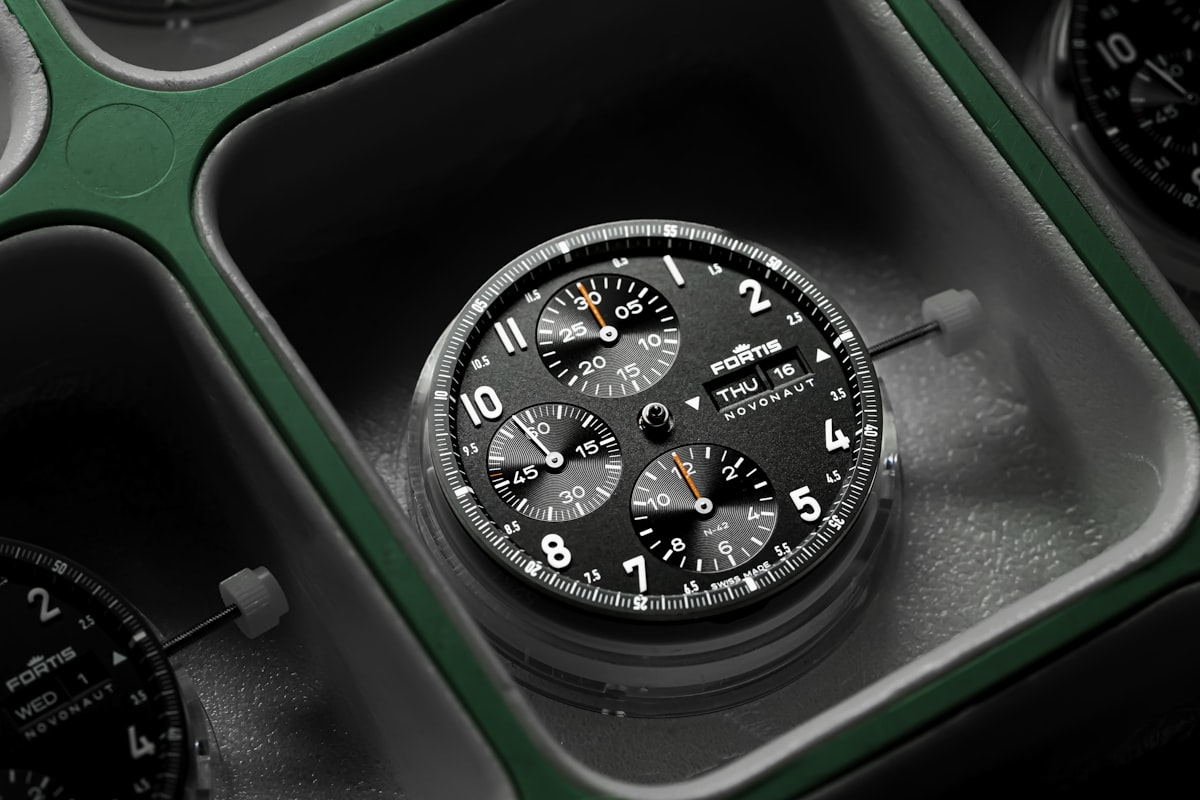
Water resistance ratings confuse many watch buyers. The numbers don’t mean what you might expect. Understanding the ratings prevents expensive damage to your timepiece.
Rating Basics
Probably should have led with this section, honestly. Ratings like 30m, 50m, and 100m indicate pressure resistance, not diving depth. Laboratory conditions differ from real-world water activities. Higher ratings provide better protection margins.
30m Water Resistance
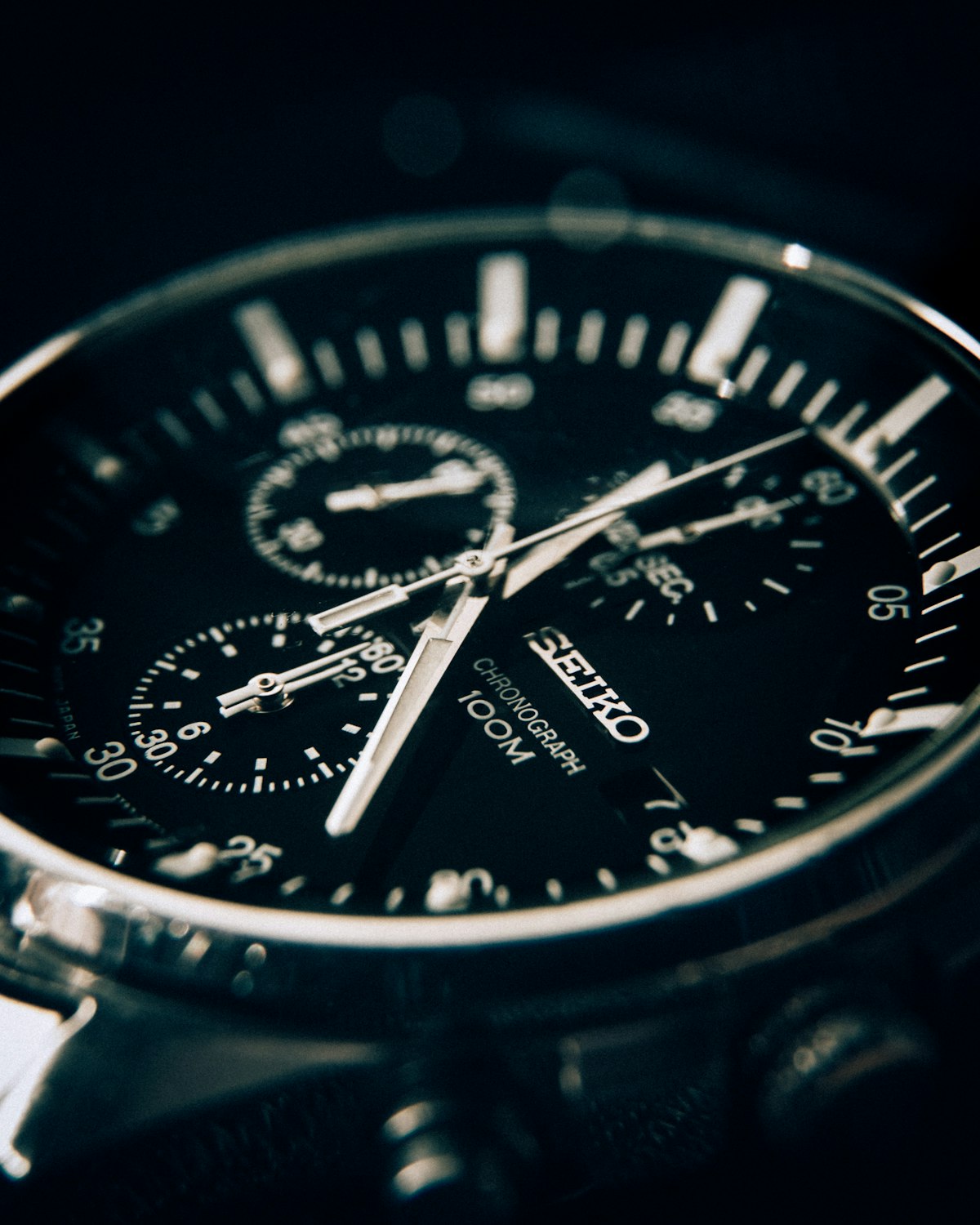
Suitable for splashes and brief hand washing only. Not safe for swimming or showering. The most basic protection level. Found on dress watches prioritizing slim profiles.
50-100m Water Resistance
That’s what makes this rating range endearing to us daily wearers—safe for swimming and showering. Not intended for diving or water sports with impact. Suitable for most everyday activities. Common on sport and casual watches.
200m and Beyond
Designed for recreational diving and water sports. Screw-down crowns provide enhanced sealing. ISO certified dive watches meet additional standards. Serious diving requires 300m+ ratings.
Maintaining Water Resistance
Gaskets degrade over time. Annual pressure testing ensures continued protection. Avoid operating crowns when wet. Service after any water intrusion immediately.

Stay in the loop
Get the latest ichronos updates delivered to your inbox.