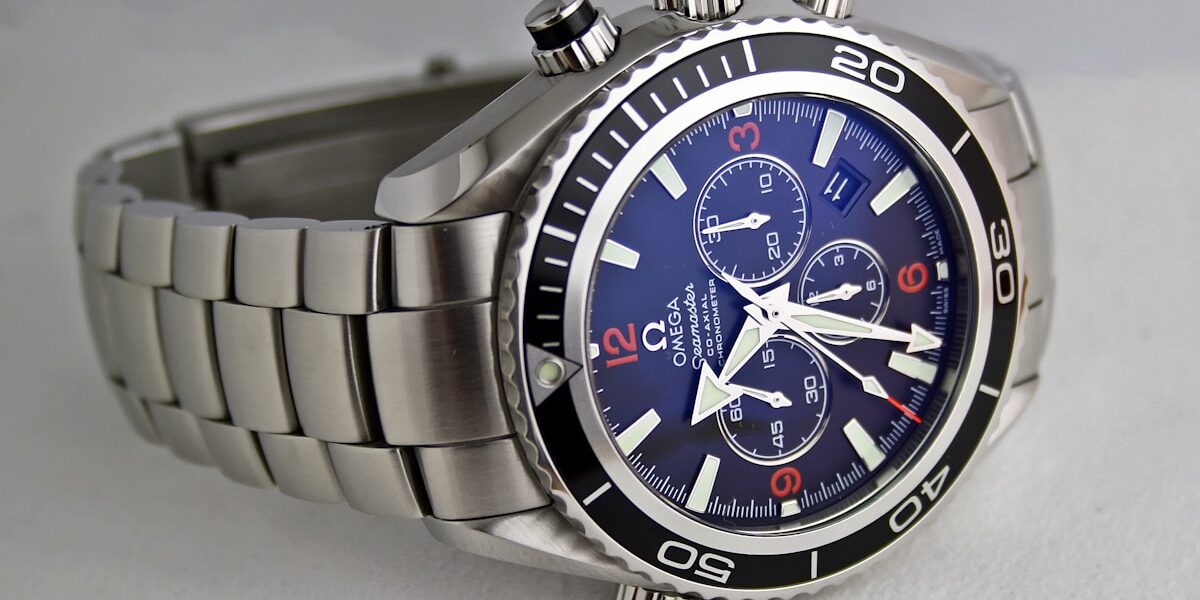
Watch case materials have gotten complicated with all the alloys and coatings flying around. As someone who has worn both titanium and stainless steel extensively, I learned everything there is to know about what actually matters in daily wear. Today, I will share it all with you.
The titanium versus stainless steel debate divides watch enthusiasts into camps that rarely agree. Both materials dominate serious tool watches, and both have legitimate advocates. Having worn examples of each extensively, I’ll make the case for what I consider the clear winner, and why the answer might depend on what you prioritize.
The Case for Titanium
Probably should have led with this section, honestly. Titanium’s advantages are significant and measurable. Grade 5 titanium (Ti-6Al-4V), the alloy most commonly used in watchmaking, weighs approximately 45% less than 316L stainless steel at similar strength. A titanium diver that would weigh 180 grams in steel weighs closer to 100 grams. On your wrist for 16 hours daily, that difference matters.
The comfort improvement is immediate and noticeable. Heavy steel divers pull at the wrist, create pressure points, and become annoying during active wear. Titanium disappears on the wrist. For genuine tool watch use, diving, hiking, tactical applications, reduced weight translates to reduced fatigue and improved wearability.
Titanium offers superior corrosion resistance, particularly to saltwater and chlorine. The oxide layer that forms on titanium is more stable and protective than steel’s, explaining why titanium dominates marine and aerospace applications where corrosion is critical. For actual divers and water sports enthusiasts, this isn’t academic.
Hypoallergenic properties matter to the substantial minority who react to nickel in stainless steel. Titanium eliminates the rashes and irritation that some wearers experience with steel, expanding the potential audience.
The Case for Stainless Steel
Steel’s primary advantage is scratch resistance. Titanium, despite its strength, scratches more easily than 316L stainless steel. The same edge that would leave a faint mark on steel creates a visible scratch on titanium. For watches expected to see desk diving rather than actual diving, accumulating scratches bothers some owners considerably.
Refinishing titanium is more challenging than steel. The same hardness that makes titanium difficult to machine means polishing out scratches requires specialized techniques. Steel’s familiar properties make it easier for any competent watchmaker to restore case finish.
That’s what makes steel heft endearing to us traditionalists—the substantial presence of a heavy steel diver on the wrist signals quality to certain aesthetics. “It has weight” is meant as a compliment, not a criticism, in these circles. Lightweight titanium, to these wearers, feels insubstantial or cheap despite costing more to manufacture.
Manufacturing cost favors steel significantly. Titanium is harder to machine, requires specialized tooling, and generates more waste. These costs transfer to consumers, typically adding $200-500+ to otherwise identical watches.
Real-World Performance
My experience wearing both materials in actual conditions, not just desk rotation, reveals practical differences. The titanium watches consistently get more wrist time for active days: hiking, gym sessions, and general activity. The steel watches come out for less physical occasions or when I specifically want the weightier feel.
The scratch accumulation on my titanium pieces is definitely more visible than on steel. After a year of regular wear, the titanium shows more surface marks. Whether this bothers you depends on whether you embrace patina or prefer pristine condition. I find the lived-in look acceptable for tool watches, but acknowledge this is subjective.
The Verdict: Context Matters
For genuine tool watch use—active wear, water sports, daily beating—titanium wins. The weight advantage translates to genuine comfort improvement, and corrosion resistance matters when the watch actually gets wet.
For dress-adjacent pieces or collectors who prefer pristine condition, steel makes sense. It scratches less visibly and refinishes more easily.
For budget-conscious buyers, steel often provides better value since titanium commands a premium that may not reflect proportional improvement for every use case.
My personal verdict: titanium for tool watches I’ll actually use as tools, steel for pieces I want to keep pristine. The “clear winner” depends entirely on how you’ll actually wear the watch.



Stay in the loop
Get the latest ichronos updates delivered to your inbox.