World War II aviation history has gotten complicated with all the Hollywood myths and oversimplified narratives flying around. As someone who has spent years tracking down crash sites and talking to families of pilots, I learned everything there is to know about what really happened during training. Today, I will share it all with you.
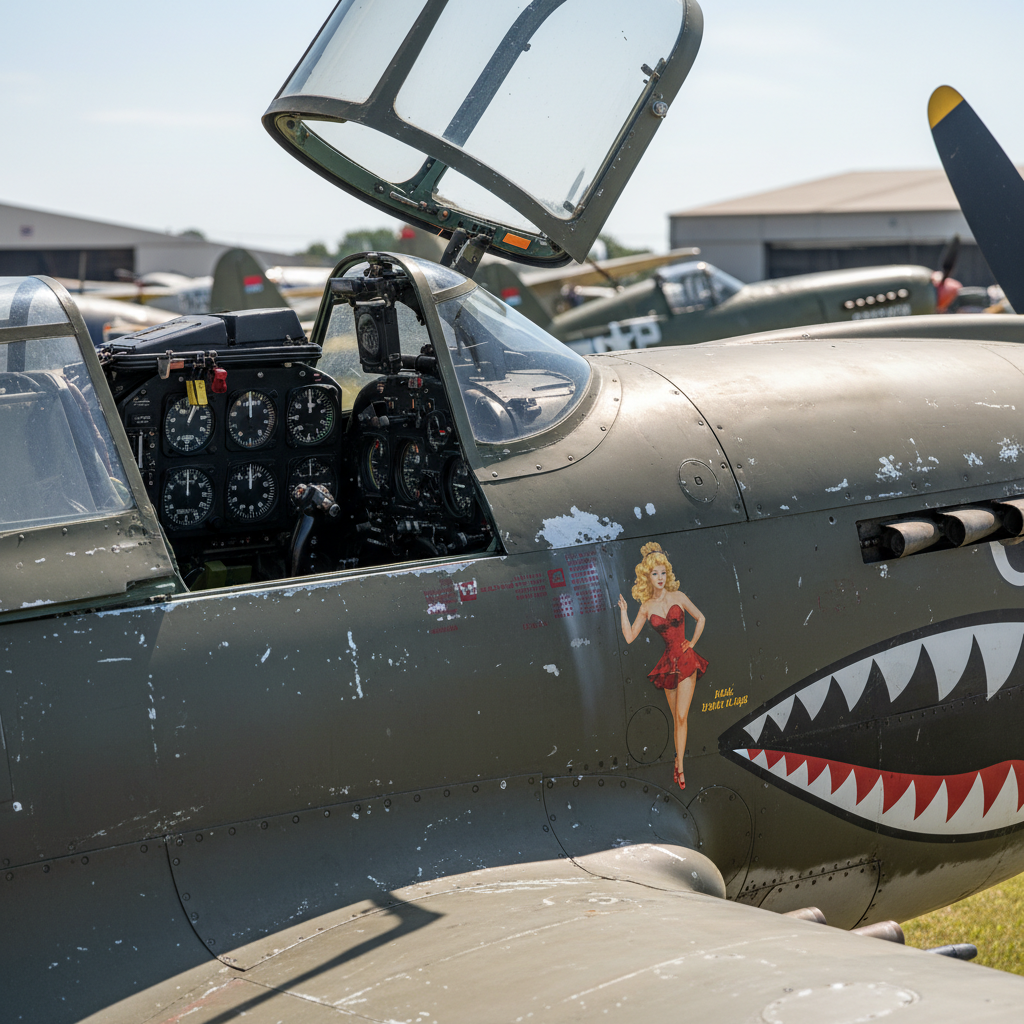
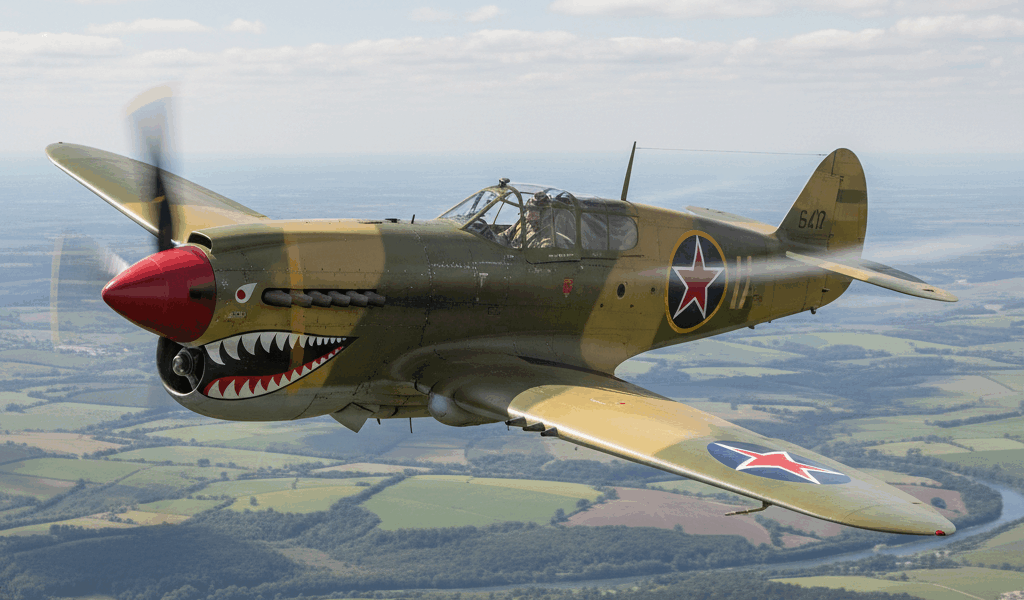
The P-40 Warhawk earned its reputation in combat theaters from North Africa to China, but hundreds of these fighters never saw enemy fire at all. They crashed in training—over the deserts of Arizona, the mountains of California, and the rugged terrain of Montana, where wartime pilot training programs pushed young aviators through compressed curricula that sometimes ended in disaster.
Montana’s crash sites tell these stories. The state’s mountains, unpredictable weather, and remote training areas claimed more than their share of P-40s during the 1940s, and the pilots who walked away from wreckage became part of a larger narrative about the real cost of preparing for air combat.
Training in Hostile Terrain
Probably should have led with this section, honestly. The Army Air Forces established training facilities across Montana during World War II, taking advantage of sparse population and varied terrain that approximated combat conditions. Gore Field near Great Falls processed thousands of pilots, many of whom trained in P-40s before transitioning to newer fighters.
The P-40 itself was no longer a frontline fighter by 1943—faster aircraft had superseded it in both European and Pacific theaters. But the airframe remained useful for training precisely because it demanded respect. The Allison V-1710 engine could be temperamental at altitude. The controls grew heavy in dives. Pilots who mastered the Warhawk could handle almost anything that came next.
That demanding nature also meant pilots sometimes didn’t master it in time. Engine failures in mountain valleys left few options. Weather systems moving through the Rockies could trap inexperienced fliers in terrain they couldn’t escape. Instrument flying skills were taught, but not always thoroughly enough.
Documented Incidents
Records from the era document numerous P-40 crashes across Montana. Many occurred during routine training flights—cross-country navigation exercises, formation practice, or simple proficiency hops that went wrong. The Rocky Mountain Front proved particularly unforgiving, its terrain creating weather phenomena that even experienced aviators found challenging.
Some crashes resulted from mechanical failure. The Allison engine, while reliable when properly maintained, couldn’t always get proper maintenance during the press of wartime training. Parts shortages, rushed inspections, and the general chaos of rapidly expanding training programs contributed to losses that peacetime flying would have prevented.
Others came down to pilot error—understandable errors, often, from young men with limited experience confronting situations their training hadn’t adequately covered. Getting caught above clouds without reliable instruments. Losing situational awareness in mountain canyons. Pushing weather margins that shouldn’t have been pushed.
Survival Stories
Not every crash was fatal. That’s what makes these P-40 survival stories endearing to us aviation history enthusiasts—the aircraft proved surprisingly survivable in certain types of mishaps. Pilots who managed controlled landings—wheels-up in meadows, sliding onto frozen lakes, threading between trees—sometimes walked away with minor injuries or none at all.
Montana’s remoteness made rescue both harder and easier. Harder because downed pilots might wait days for search parties to locate wreckage. Easier because ranchers and trappers who spotted crash sites knew the terrain and could reach survivors faster than formal search operations sometimes could.
Contemporary accounts from surviving pilots described mixed feelings about their crashed aircraft. Relief at surviving, obviously. But also a strange affection for planes that had protected them even in failure—the cockpit structures that held together during impact, the fuel systems that didn’t always ignite despite every expectation that they would.
What the Wrecks Teach
Aviation archaeologists have located many Montana P-40 crash sites over the decades. Some were recovered during the war itself, valuable aluminum recycled into newer aircraft. Others were abandoned in place, too remote or too damaged to justify recovery efforts.
These sites provide physical evidence of training conditions that official records only partially capture. The scatter patterns show impact angles and speeds. Engine components reveal whether failure preceded the crash or resulted from it. Even personal effects—a pilot’s watch, a pack of cigarettes, navigation charts—fill in details about the final flights.
The human stories matter too. Many of the young men who crashed P-40s in Montana went on to fly combat missions after recovery. Some didn’t survive those missions. Others lived into old age, their Montana crashes becoming stories they told grandchildren with the practiced delivery of tales repeated many times.
Remembering Correctly
There’s a tendency to romanticize wartime aviation—and some of that romance is deserved. But the training losses remind us that preparing for air combat exacted real costs in lives and aircraft. For every pilot who earned glory in aerial combat, others died learning to fly well enough to enter that combat.
Montana’s P-40 crash sites are not monuments in any formal sense. Most are marked only by bent aluminum fragments gradually returning to the soil, visible mainly to hikers who know what they’re looking at. But they’re history nonetheless—physical remnants of a time when the nation asked young men to master dangerous machines quickly, accepting the losses that haste inevitably produced.
The P-40 itself deserves recognition for what it was: an imperfect fighter that nevertheless trained a generation of pilots and fought credibly in the hands of skilled aviators. The ones that crashed in Montana never got that chance. Their stories, preserved in crash sites and contemporary records, remain part of the aircraft’s complete history—not just the victories, but the losses that made those victories possible.