Watch history has gotten complicated with all the brand mythologies and marketing revisionism flying around. As someone who has researched the actual origins of the modern wristwatch, I learned everything there is to know about how battlefield necessity created what we wear today. Today, I will share it all with you.
Before World War I, wristwatches were considered jewelry for women. Real men carried pocket watches on chains, hefty and distinguished. Then came the trenches, and everything changed. The story of how battlefield necessity created the modern wristwatch is one of horological history’s most fascinating transformations.
The Problem With Pocket Watches in Combat
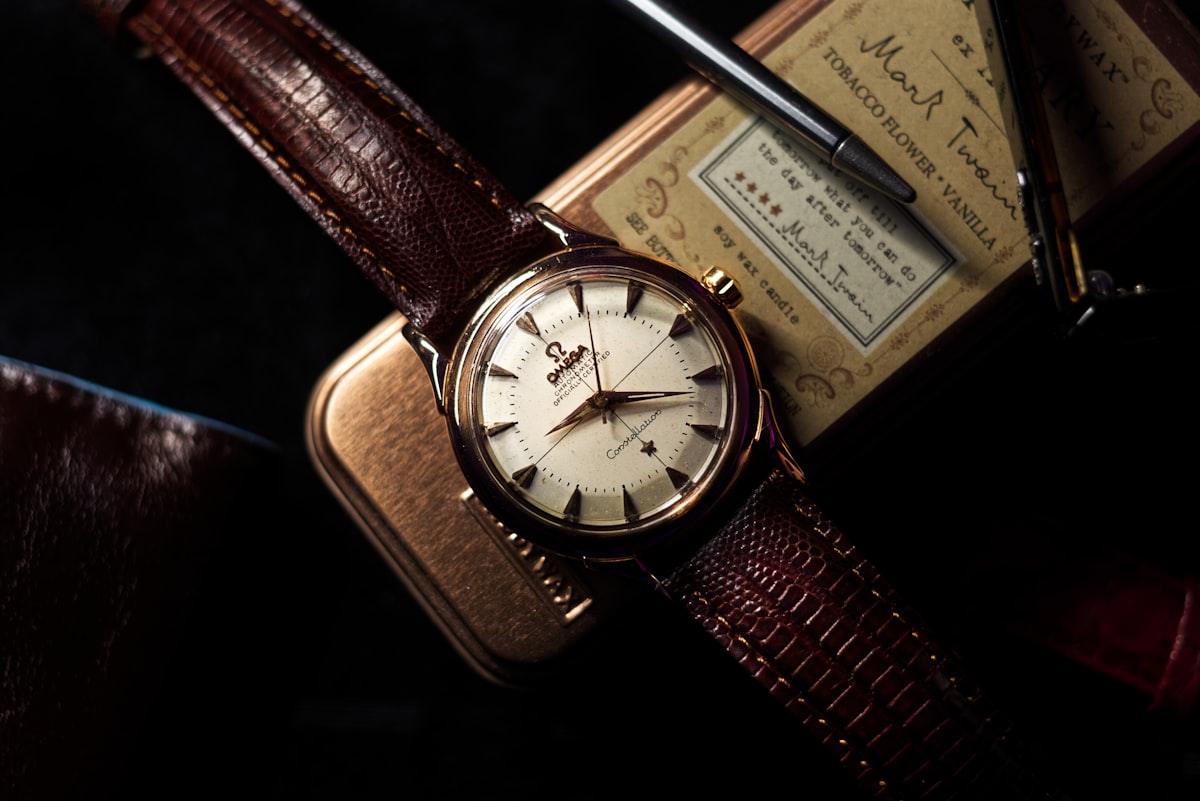
Probably should have led with this section, honestly. Imagine coordinating an artillery barrage while fumbling a pocket watch from your tunic, flipping the hunter case open, and checking the time, all while shells explode around you and your hands shake with adrenaline. Officers quickly realized this was impractical and dangerous. Synchronizing infantry advances with artillery support required instant time checks, ideally one-handed.
The solution emerged organically. Soldiers began strapping small pocket watches to their wrists using leather cups with slots for watch cases. These improvisations, called “wristlets,” were crude but effective. By 1916, dedicated wristwatches with integrated lugs were in mass production for military contracts.
The Trench Watch Emerges
These first purpose-built military wristwatches shared distinctive features that would define the tool watch category for the next century. Wire guards protected the crystal from impacts and shrapnel. Radium-painted numerals glowed in the darkness of night operations. Large onion crowns allowed operation with gloved hands. Robust movements prioritized reliability over precision.
That’s what makes these original trench watches endearing to us collectors—the dials typically featured white enamel with large Arabic numerals, optimizing legibility under stress. Many used a “12-hour pattern” with a subsidiary seconds dial at 6 o’clock, borrowed from pocket watch layouts. The cases were sterling silver or nickel, typically 32-35mm, smaller than modern standards but enormous by women’s jewelry standards of the era.
Innovation Under Fire

The luminous dial was perhaps the most significant innovation. Radium paint, mixed with zinc sulfide, created persistent glow visible in dugouts and night operations. The health consequences for dial painters weren’t understood until the tragic “Radium Girls” cases of the 1920s, but the tactical advantage was immediately obvious. Every modern lume-equipped watch traces its heritage to these WWI necessity innovations.
Shock resistance also advanced rapidly. Early wristwatches featured fragile balance wheel pivots that shattered under concussive impacts. Military pressure drove development of more robust escapement designs with thicker pivots and improved jewel settings. The Incabloc shock protection system, perfected decades later, solved problems first identified in trench conditions.
From Battlefield to Boulevard
When soldiers returned home, they brought their wristwatch habit with them. Men who’d worn wristwatches daily under fire saw no reason to return to pocket watches in civilian life. The convenience was undeniable. By the early 1920s, wristwatch production exceeded pocket watch production for the first time.
The transition wasn’t instant. Conservative gentlemen still considered wristwatches somewhat feminine or military-utilitarian. Watch manufacturers responded by creating “officer’s watches” with elegant designs that legitimized wrist wear for business settings. The distinction between tool and dress watches, still relevant today, began forming in this transition period.
The Trench Watch Aesthetic Today
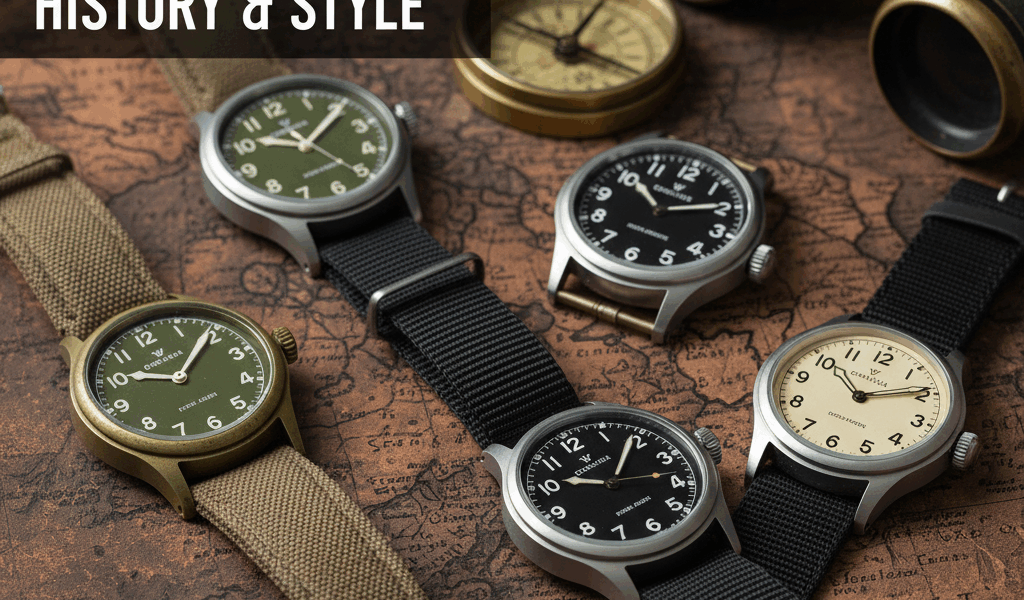
The original trench watch design language remains visible in contemporary field watches. The Hamilton Khaki Field traces a direct line to American military contracts of WWI. German flieger watches owe much to the large-dial legibility principles established in trench watches. Even the “NATO strap,” with its slip-through design, descends from WWI military wristlet engineering.
Modern brands offer faithful reproductions of WWI trench watches, complete with wire guards and aged-look dials. Watches like the Laco Vintage and certain Longines Heritage pieces deliberately evoke this aesthetic. Collectors prize original trench watches, particularly marked military-issue pieces with documented provenance.
Why It Matters
Understanding this history enriches appreciation of modern tool watches. When you strap on a field watch with luminous hands and robust construction, you’re participating in a tradition forged under artillery bombardment. The design principles of legibility, durability, and operational convenience that emerged from WWI battlefields remain the foundation of every serious tool watch.
The trench watch transformed timekeeping from passive accessory to active tool. That philosophical shift, time as an instrument rather than ornament, continues defining how we think about watches over a century later. Next time you glance at your wrist to check the time, remember: that gesture was once a tactical innovation that helped win a war.

Stay in the loop
Get the latest ichronos updates delivered to your inbox.