High-performance single-engine aircraft have gotten complicated with all the competing philosophies and price points flying around. As someone who has spent time in various PA-46 variants over the years—from pressurized piston models to the turboprop M600—I learned everything there is to know about what makes this platform special. Today, I will share it all with you.
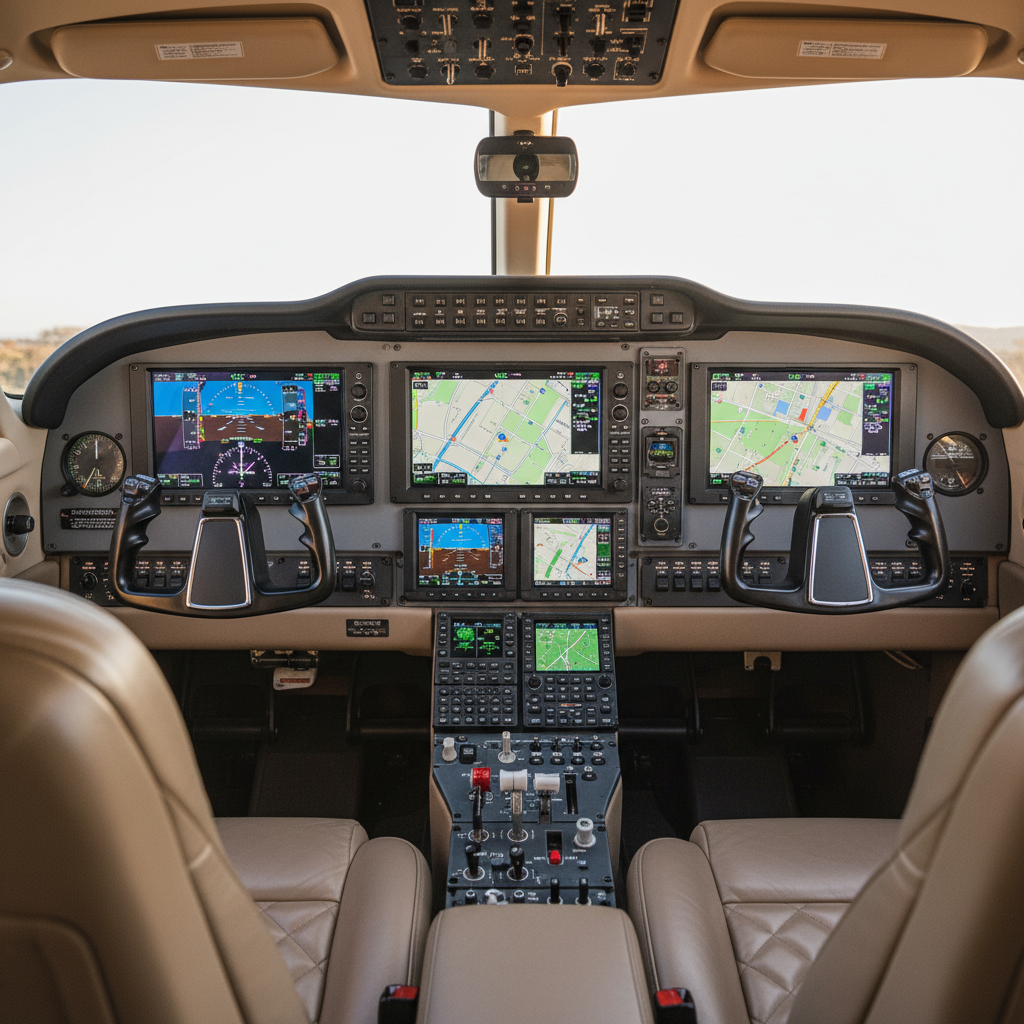
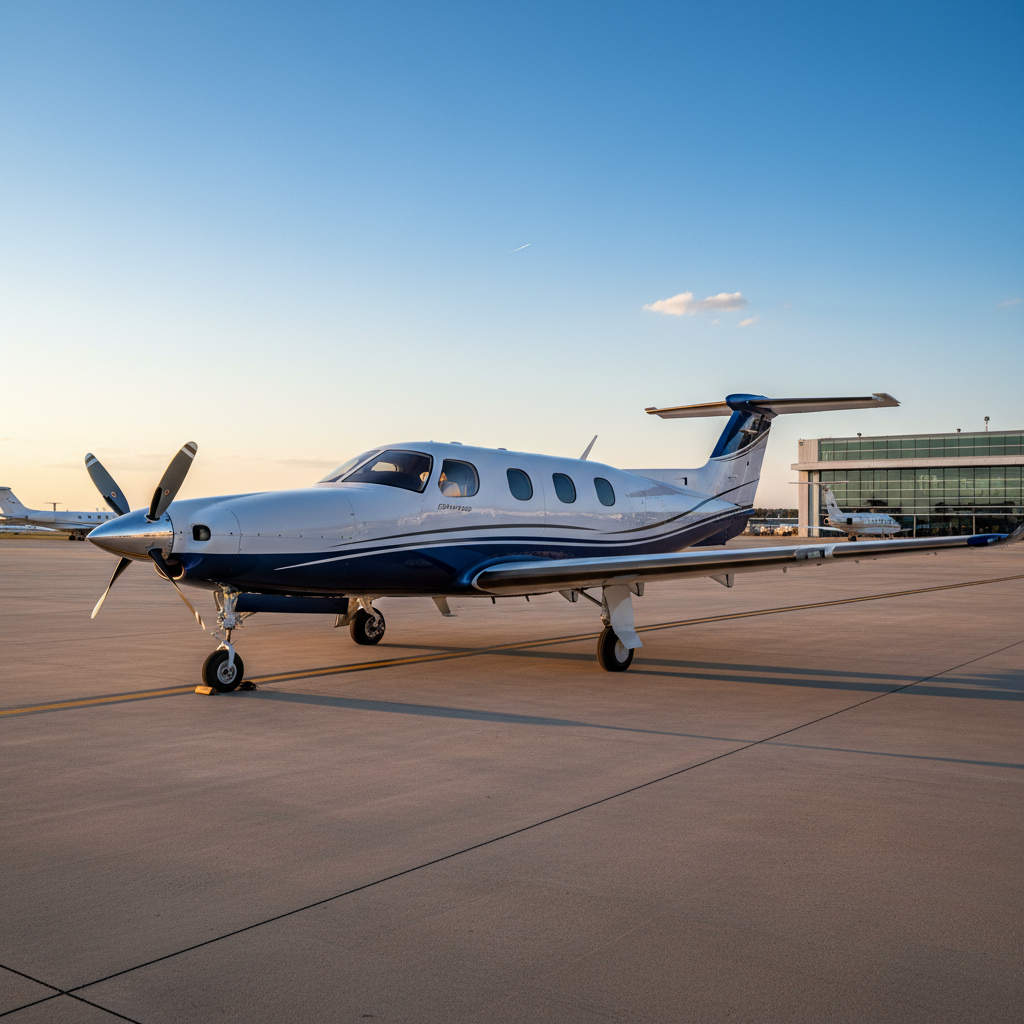
The Piper PA-46 started life as the Malibu in 1984 and somehow became one of the most successful high-performance single-engine aircraft ever built. Forty years later, its descendants—now branded under Piper’s M-Class lineup—still command serious money and serious respect from pilots who want to travel fast without hiring a crew.
The platform keeps evolving, but that original DNA remains: a pressurized cabin that actually works, decent speed for the fuel burn, and handling characteristics that trained piston pilots can manage.
A Brief History
Piper developed the Malibu to compete with the Cessna P210 and Beech A36—high-performance singles that business travelers used when airlines didn’t serve their airports. The original PA-46-310P packed a 310-horsepower Continental engine under a distinctive angular cowling, with a pressurized cabin that maintained sea-level comfort up to about 12,500 feet cabin altitude.
That pressurization system was the real selling point. Flying at 25,000 feet in shirtsleeve comfort while weather systems passed below changed what a single-engine airplane could accomplish. No more picking your way through gaps in the clouds or descending into turbulence to stay below weather.
The Mirage came in 1989 with a Lycoming engine that solved some reliability concerns with the Continental. Then the Meridian arrived in 2000, replacing piston complexity with a Pratt & Whitney PT6 turboprop. That’s where the model line really took off—the turbine version offered true 260-knot cruise speeds and climb rates that piston variants couldn’t match.
The Current M-Class Lineup
M350
Probably should have led with this section, honestly. The entry point—if you can call a million-dollar airplane an entry point. The M350 carries forward the Mirage formula: Lycoming piston engine, pressurized cabin, Garmin G1000 NXi avionics. Cruise around 213 knots at altitude, range of nearly 1,350 nautical miles with reserves.
Piston diehards defend this configuration. The engine overhauls cost less than turbine hot sections, 100LL avgas is more widely available than Jet-A at some rural airports, and the operating costs per hour run noticeably lower.
M500
Entry-level turboprop. The M500 uses the same Pratt & Whitney PT6A-42A engine as its bigger sibling but in a slightly simpler airframe package. Garmin G1000 NXi panel, cruise speeds around 260 knots, range approaching 1,000 nautical miles depending on payload and conditions.
New pilots transitioning from piston aircraft often start here. The turbine adds complexity in systems management but removes a lot of the mixture-and-manifold-pressure fiddling that high-altitude piston flying requires.
M600
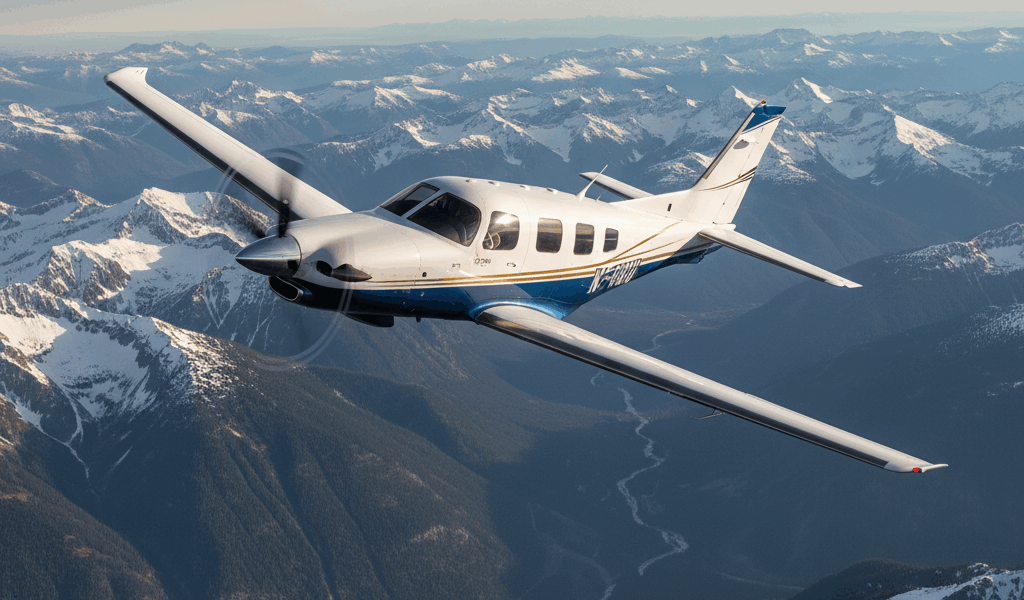
The flagship. That’s what makes this aircraft endearing to us serious cross-country pilots—same PT6 family engine but with more available power, the Garmin G3000 touchscreen avionics suite, and—significantly—Garmin’s Autoland emergency system. If the pilot becomes incapacitated, passengers can hit a button and the airplane will find a suitable airport, fly an approach, and land itself.
Cruise hits 274 knots, useful load exceeds 1,100 pounds with full fuel, and the pressurization differential allows comfortable cabin altitudes even in the flight levels. This is genuinely competitive with light twins and entry-level turboprops that require two pilots and cost significantly more to operate.
What Makes It Work
The PA-46 design has lasted because Piper got the fundamentals right. The wing generates good lift at high altitudes where thinner air challenges lesser designs. The pressurization system—while not as robust as what you’d find in a jet—functions reliably enough that owners trust it for regular high-altitude flying. The fuselage is spacious for a single, accommodating actual adult humans rather than requiring yoga flexibility to board.
Handling is… honest. These airplanes don’t bite unexpectedly, but they demand respect. The wing loading is relatively high, meaning approach speeds run faster than smaller singles. Stall behavior is straightforward if you’ve trained for it, dangerous if you haven’t. Insurance companies require transition training for a reason.
The systems integration on current models has improved dramatically from early Malibus. Those first-generation pressurization and fuel systems had quirks that trained maintenance shops knew to expect. Modern M-Class aircraft benefit from Garmin’s reliability and Piper’s forty years of refinement.
Who Buys These
Owner demographics skew toward business users who fly themselves. Doctors flying between hospital systems, attorneys covering regional practices, executives tired of airline schedules and missed connections. The profile is typically someone logging 200-400 hours annually, enough to maintain proficiency in a high-performance aircraft.
Used Malibus and Mirages attract buyers stepping up from Bonanzas or Saratogas, looking for pressurization and more useful load without the expense of a new aircraft. The turbine models rarely stay on the market long—the demand exceeds supply, particularly for well-maintained M500s and M600s with low engine time.
The Competition
Cirrus entered this market with the Vision Jet, offering turbofan power and that parachute safety system in a smaller package. The Vision cruises slightly slower and carries less, but the safety features and lower insurance rates appeal to some buyers.
Daher’s TBM series has always been the speed king, cruising above 300 knots in current models. But TBMs cost substantially more to buy and maintain, pushing them toward higher-time operators who can justify the expense.
The PA-46’s niche is owners who want proven systems, genuine cross-country capability, and operating costs that don’t require corporate backing. It’s not the fastest, not the cheapest, not the newest. But it’s been working for forty years, and the used market shows what that kind of track record is worth.