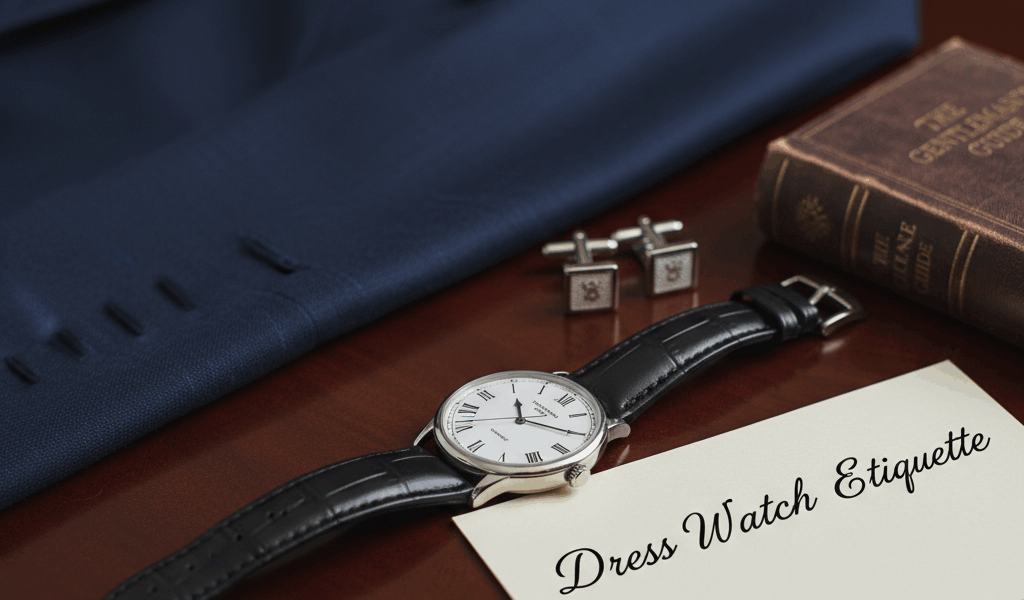
Dress watch etiquette has gotten complicated with all the casual offices and versatile sport watches flying around. As someone who has navigated formal occasions and collection building for years, I learned everything there is to know about when thin elegant watches actually make sense. Today, I will share it all with you.
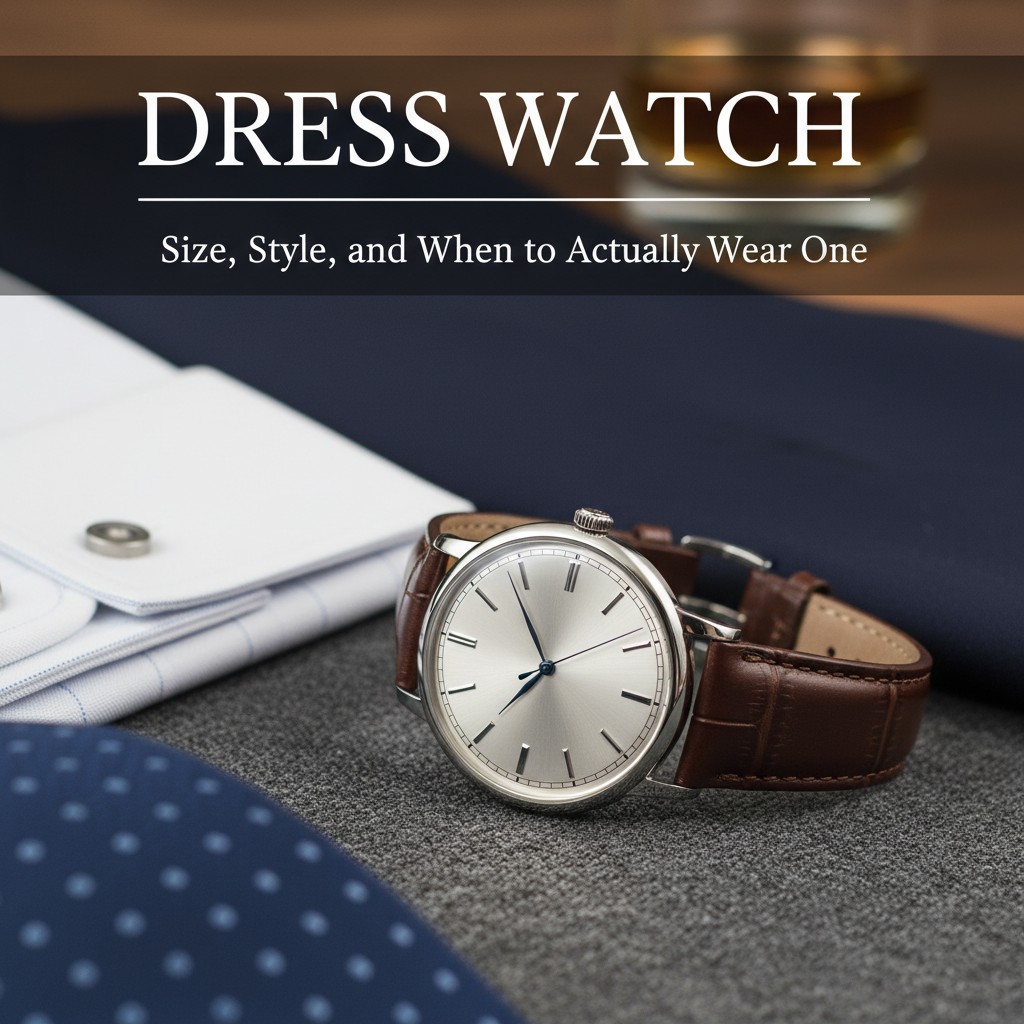
The dress watch occupies a peculiar position in modern horology: revered by collectors yet practically obsolete for most wearers. In an era of smart-casual offices and versatile sports watches, when and why would you actually wear a thin, elegant dress watch? Let’s examine the category honestly.
Defining the Dress Watch
Classic dress watch criteria are specific. Case diameter typically falls between 34-39mm, slim enough to slip under a French cuff. Thickness rarely exceeds 10mm, with the best examples below 7mm. The dial is minimalist: two or three hands, possibly a date, with indices or Roman numerals on a clean background. No timing bezels, no chronograph pushers, no complications beyond time display.
The case is typically precious metal, gold, or platinum, or polished steel mimicking those aesthetics. Straps are leather, often alligator or lizard, in black or brown. Everything about the design suggests understated refinement rather than tool-watch ruggedness.
The Size Evolution Problem
Probably should have led with this section, honestly. Modern watch proportions have drifted dramatically from dress watch norms. Today’s average men’s watch runs 40-44mm diameter. Anything below 38mm gets described as “vintage-sized,” and some wearers consider sub-36mm watches feminine.
This inflation creates dissonance. A properly proportioned dress watch might feel tiny compared to your daily sports watch. Wearing a 34mm Jaeger-LeCoultre Ultra Thin after months of a 42mm diver requires mental adjustment. Neither size is wrong, but the contrast highlights how much proportions have shifted.
The slimness requirement creates movement constraints. Ultra-thin automatics like the Piaget 1200P at 2.35mm height sacrifice power reserve (40 hours) and shock resistance for thinness. Manual wind calibers like the Jaeger-LeCoultre 849 at 1.85mm remain the thinnest options but require daily winding. The physics of thin movements demand compromise.
When Dress Watches Actually Work
That’s what makes formal events endearing to us dress watch owners—they remain the natural habitat. Black-tie occasions, formal weddings, important business presentations, anywhere you’re wearing a suit with actual cufflinks, a dress watch completes the picture. The deliberate understatement signals that you don’t need a flashy watch to announce status.
Professional environments with conservative dress codes still reward dress watches. Banking, law, and certain corporate settings value traditional aesthetics. A thin gold watch on a leather strap communicates differently than a dive watch on a rubber strap, even if the dive watch costs more.
Personal style occasions, upscale restaurants, theater, cocktail parties, work well with dress watches. These social contexts prioritize elegance over functionality, making delicate timepieces appropriate rather than impractical.
When Dress Watches Don’t Work
Any activity involving physical stress, water exposure, or impact risk makes dress watches poor choices. Thin cases and delicate movements tolerate abuse poorly. The leather strap that looks beautiful at dinner becomes uncomfortable and damaged during a morning gym session.
Extremely casual contexts make dress watches look affected. Wearing a platinum Calatrava with jeans and sneakers creates cognitive dissonance. Some collectors cultivate this contrast deliberately, but it reads as trying too hard to most observers.
Daily wear in unpredictable environments is challenging. A dress watch that can’t survive an unexpected rain shower or an impromptu game of catch with your kid has limited practical utility. Many owners relegate dress watches to special occasions precisely because everyday life is too demanding.
The Modern Alternative: Sport-Luxe
The market has responded to dress watch limitations with “luxury sport” watches that bridge categories. The Patek Philippe Nautilus, Audemars Piguet Royal Oak, and Vacheron Constantin Overseas offer thin-ish profiles, integrated bracelets, and water resistance that dress watches lack. They work with suits and with polo shirts.
These sport-luxe pieces occupy price points that dwarf traditional dress watches, but they’ve undeniably captured collector attention. The argument that one $40,000 Royal Oak serves more wardrobe occasions than a $20,000 Calatrava has practical merit, even if purists object.
Building a Balanced Collection
For collectors building deliberate collections, one dress watch makes sense alongside sport watches and versatile daily wearers. That single dress watch should be genuinely elegant, properly thin, and appropriate for the most formal occasions you actually attend.
If you attend formal events rarely, consider whether you need a dedicated dress watch at all. A clean-dialed sport watch or vintage-sized field watch serves most professional and social contexts adequately. Reserve dress watch purchases for deliberate collection building, not vague aspirations of formality.


Stay in the loop
Get the latest ichronos updates delivered to your inbox.