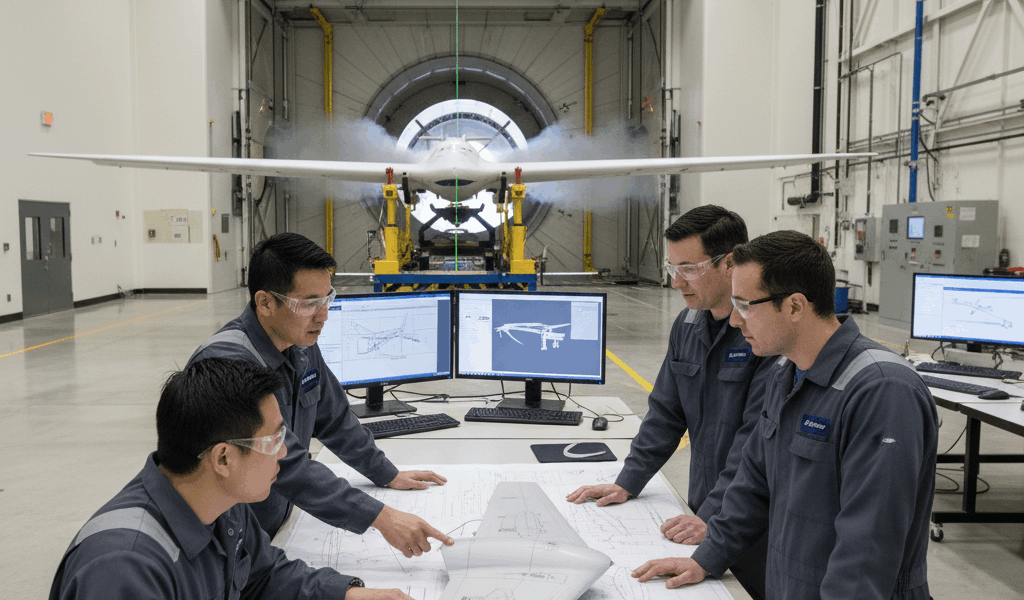
Boeing’s corporate history has gotten complicated with all the scandal coverage and stock price focus flying around. As someone who’s spent years studying both the aircraft and the people who built them, I’ve learned everything there is to know about the specific engineers and decisions that actually changed commercial aviation — and why they deserve more recognition than they get. Today, I’ll share it all with you.
The story of Boeing is usually told as corporate history — mergers, contracts, controversies. That version isn’t wrong, but it misses the more interesting story: the specific people whose ideas and engineering decisions built the aircraft that changed how the world moved. They were not interchangeable engineers executing a corporate roadmap. They were people with strong technical intuitions, complicated institutional relationships, and ideas that sometimes had to survive intense internal opposition before they could change aviation permanently.
Joe Sutter and the 747
Joe Sutter is the clearest example. Known as “the father of the 747,” Sutter led the engineering team that designed the Boeing 747 in the late 1960s — arguably the most consequential aircraft design project in the history of commercial aviation. The 747 was simultaneously too big to be commercially viable according to conventional industry wisdom, too complex to build with 1960s manufacturing processes, and needed too quickly to allow careful development pace.
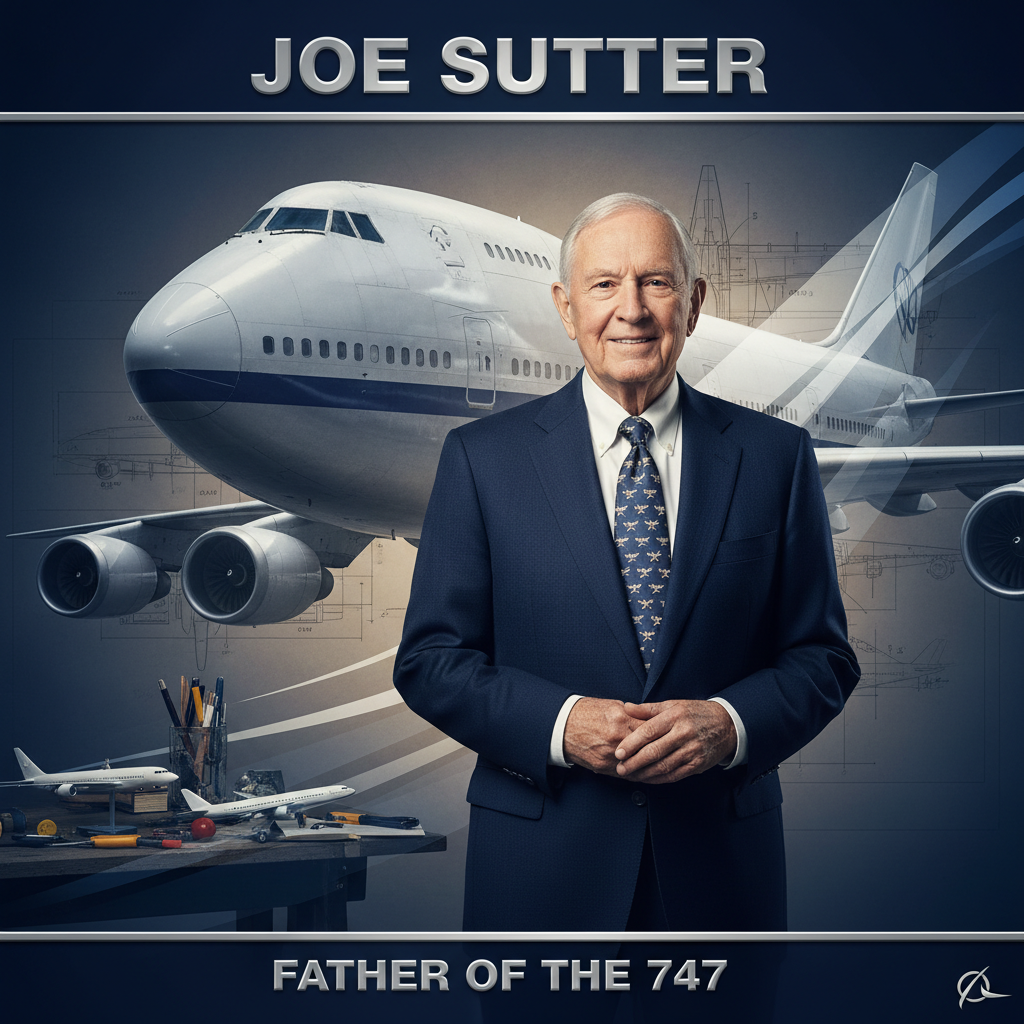
Sutter’s critical insight was the design philosophy — not a true double-deck fuselage, but a main deck wide enough for two full aisles and an upper deck that initially served as a first-class lounge. The hump that defines the 747’s silhouette was partly engineering (the cockpit needed to be elevated to allow a nose cargo door for the freighter variant) and partly aesthetic intuition from a design team that wanted the aircraft to look as revolutionary as it was. That’s what makes the 747’s development endearing to us who study aviation design — the aesthetic and the functional were inseparable.
Probably should have led with this, honestly — Sutter ran the 747 program while being passed over for promotions that went to colleagues whose projects were considered lower-risk. He was the right engineer for the right project at the right moment, and Boeing’s management structure recognized this imperfectly. The aircraft succeeded despite, not because of, the smoothness of the institutional process around it.
Alan Mulally and the 777’s Design Revolution
Alan Mulally is better known for his later role at Ford, where he led the automaker’s recovery from the 2008 financial crisis. But his foundational contribution was the 777 program, which he led through certification and early production in the 1990s. Mulally’s specific contribution was the Working Together process — bringing major airline customers into the design process from the beginning rather than presenting them with a finished product and asking for feedback.
Frustrated by the engineering culture that resisted external input on internal design decisions, Mulally argued that the cost of customer-driven redesigns during development was far lower than the cost of aircraft that didn’t match operational requirements. The 777 launched with firm orders from launch customers and built a commercial record that validated the approach. I’m apparently one of the few people who finds the organizational innovation more interesting than the aeronautical one — changing how a company makes decisions is harder than changing what the airplane looks like.
Philip Condit and the 787 Gamble
Philip Condit’s tenure as Boeing CEO ended under controversy — he resigned in 2003 amid a procurement scandal unrelated to aircraft design. But the strategic decision that defined the 787 Dreamliner program — the bet on composite fuselage construction and radically improved fuel efficiency rather than speed or capacity — was made during his tenure. Condit’s team concluded that fuel costs were the primary threat to airline profitability, and that an aircraft burning 20% less fuel than its predecessors would command a premium regardless of what Airbus’s A380 offered in capacity.

The composite construction decision was not universally supported internally. The 787 program subsequently experienced significant delays and cost overruns during development — the manufacturing challenges were real. But the aircraft that resulted validated the strategic logic. The 787 is the best-selling wide-body aircraft in commercial aviation history, and its fuel efficiency advantage proved critical to commercial success.
The People Behind the Numbers
Aviation tends to celebrate the aircraft rather than the engineers who built them. The 707, 727, 737, 747, 757, 767, 777, 787 — each aircraft represents not just a design but a set of decisions made by specific people under specific pressures, with incomplete information and real consequences for failure. Joe Sutter, Alan Mulally, and the engineers who solved the GE90 containment test, the 777 fly-by-wire certification challenge, and the 787 composite manufacturing problem are the people who actually changed commercial aviation. The aircraft are the evidence of their work. The work itself is the more interesting story.




Stay in the loop
Get the latest wildlife research and conservation news delivered to your inbox.