Regional flying in Europe has gotten complicated with all the budget carriers and shrinking service flying around. As someone who has logged dozens of flights on KLM Cityhopper over the past few years—mostly connecting through Amsterdam to smaller European airports—I learned everything there is to know about what makes this carrier different. Today, I will share it all with you.
Flying regional routes in Europe usually means accepting compromises. Smaller planes, less legroom, that weird turboprop drone that makes conversation impossible. But then there’s KLM Cityhopper, and honestly, they’ve figured out how to make short-haul flying not suck.
What strikes me every time is how the experience doesn’t feel like budget regional flying at all.
The Fleet Makes the Difference
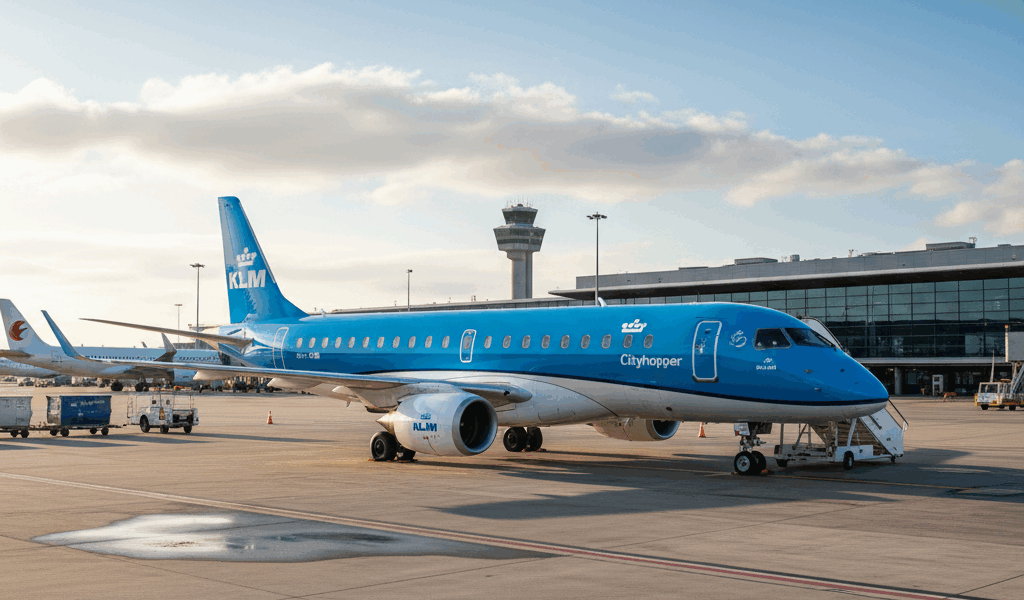
Probably should have led with this section, honestly. Cityhopper operates Embraer jets exclusively now, specifically the E175 and E195-E2 models. This matters more than you’d think. These Brazilian-built aircraft fly like proper airliners, not stretched commuter planes. The E195-E2 in particular has a cabin width that actually accommodates human shoulders—no hunching toward the aisle to avoid the window frame.
The E2 generation brought better fuel efficiency too, which translates to quieter cabins and smoother rides. I remember flying the older E-Jets back when Cityhopper still had them, and the difference is noticeable. Less engine whine, fewer vibrations during cruise.
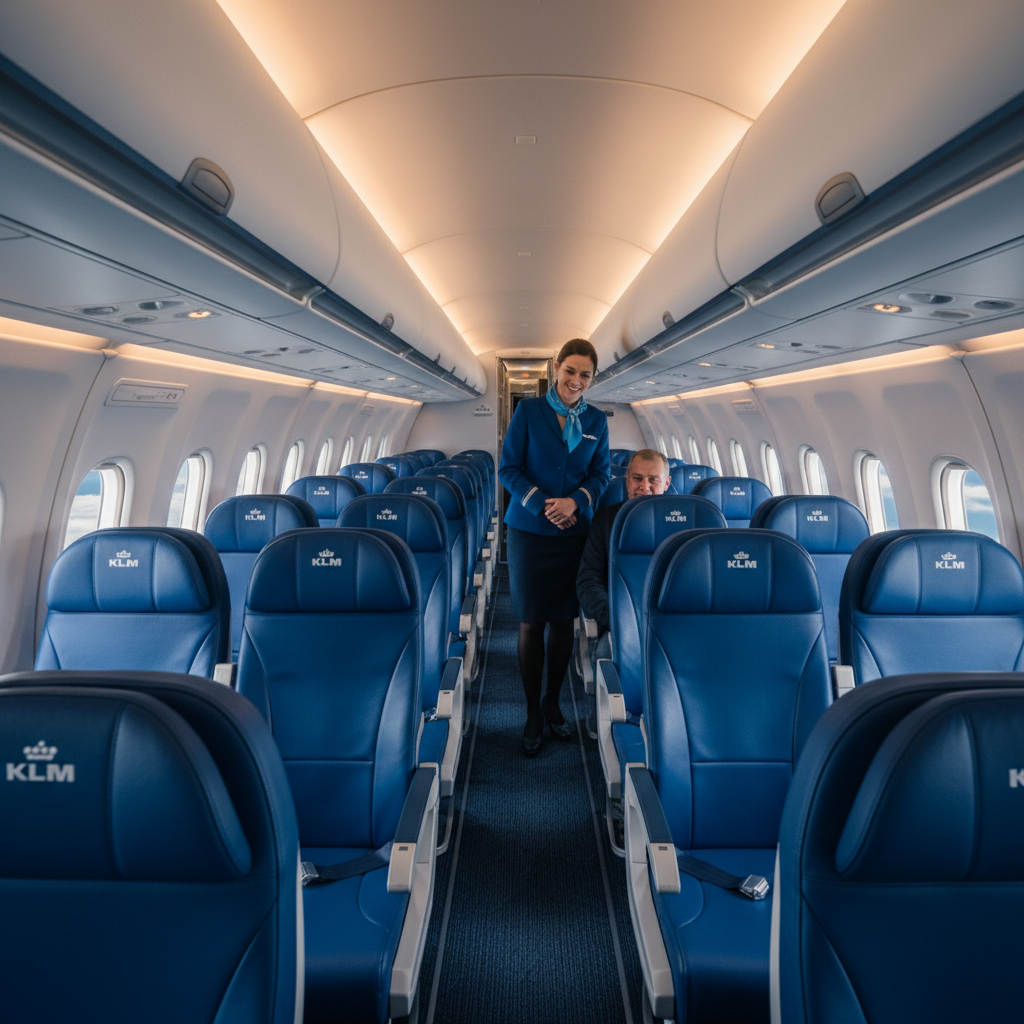
Seat configuration runs 2-2 on most aircraft, meaning nobody gets stuck in a dreaded middle seat. On a 90-minute hop to Copenhagen or a quick run down to Lyon, that window-or-aisle choice actually means something.
Where They Fly
The route network fans out from Amsterdam Schiphol to destinations that KLM’s 737s and 777s would never touch economically. Think Hamburg, Gothenburg, Newcastle, Bilbao, Zurich. Secondary cities that need connectivity to global hubs but can’t fill a 180-seat narrowbody.
Some routes surprise me—they operate to London City, threading those famous steep approaches that require specially certified pilots. Edinburgh sees regular service. Even Birmingham, which mainland Europeans apparently want to visit for reasons I haven’t fully understood.
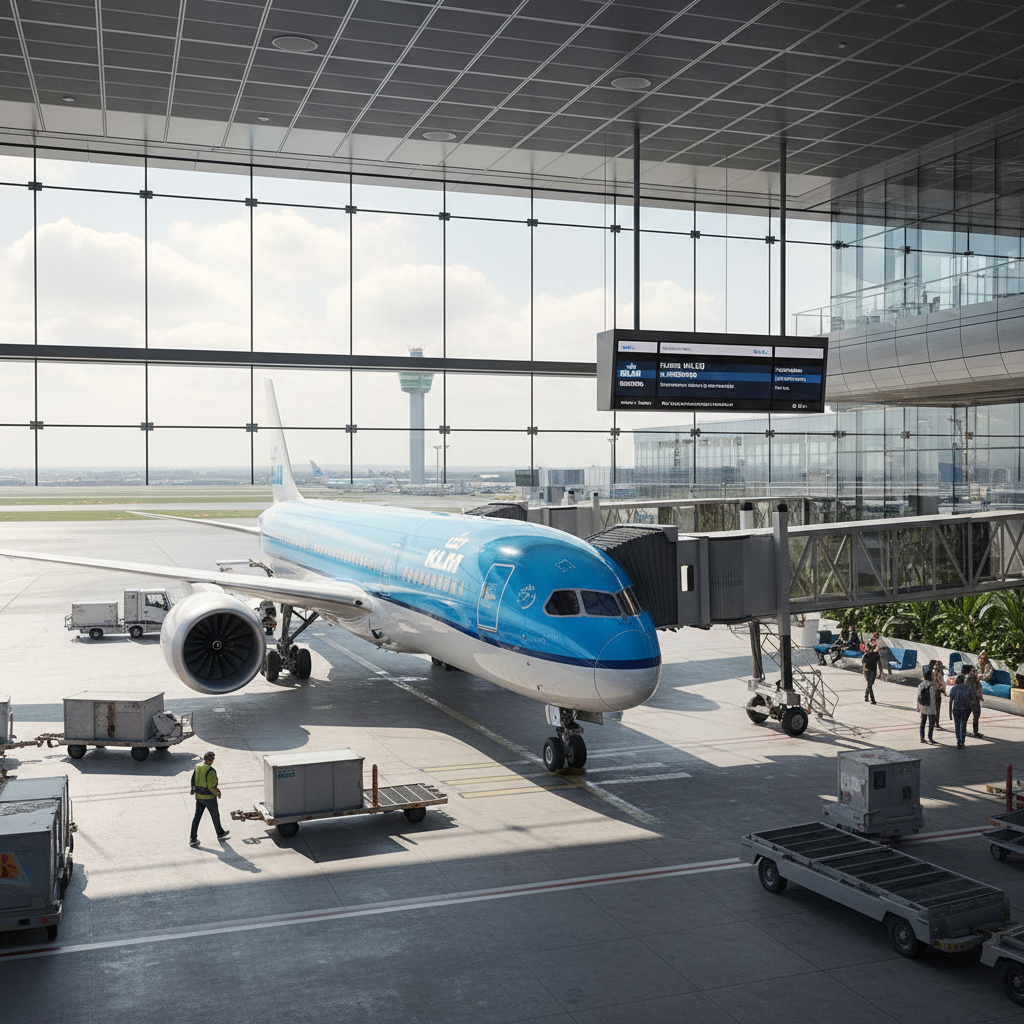
That’s what makes this integration endearing to us frequent travelers—the connection with mainline KLM is seamless. Booking happens through the same system, frequent flyer miles accumulate the same way, and connections at Schiphol work through proper transfer channels rather than making you reclear security. Your bag checks through to your final destination even when switching between a 787 and an E175.
The Onboard Experience
Flight attendants on Cityhopper work KLM contracts and wear the same uniforms. That consistency extends to service style. Even on hour-long flights, you get the little blue house miniature on your seat at boarding—a Dutch tradition that somehow hasn’t died despite every airline cutting costs wherever possible.
Food service depends on flight length. Anything over breakfast time gets at least a snack and drinks. The coffee is surprisingly decent, which matters when you’re catching a 6am departure to make a meeting.
Wi-Fi exists on the newer E2 aircraft, though I’ve found it spotty over the North Sea. Fine for emails, questionable for video calls. Worth knowing if you’re planning to work during the flight.
What Could Be Better
Legroom isn’t generous. I’m average height and my knees don’t hit the seatback, but taller passengers have complained. The E175 in particular can feel tight in the back rows. If you’re over six feet, try for an exit row or at least an aisle seat.
Ground delays at Schiphol affect Cityhopper disproportionately. When the airport gets congested—which happens constantly during summer and holidays—regional flights seem to take the hit first. I’ve sat on the tarmac waiting for a departure slot more times than I’d like.
Pricing can also spike weirdly on thin routes. That Hamburg flight might run €89 one week and €340 the next, depending on business travel demand and conventions happening in the destination city.
Worth Choosing
Here’s my actual recommendation: if you have a choice between Cityhopper and a competitor regional carrier on the same route, pick Cityhopper. The KLM integration means better rebooking options when things go wrong, the jets are comfortable enough for routes under two hours, and the crew maintains standards that some regional operators have abandoned.
For connections through Amsterdam, it’s essentially the only option anyway. But even as a point-to-point carrier—say, a direct Amsterdam to Florence run—the experience holds up against what you’d get on larger airlines charging similar fares.
The aviation industry keeps predicting that regional carriers will fade away as fuel costs make small jets uneconomical. Cityhopper seems to be surviving that pressure better than most, partly by moving to efficient E2 equipment and partly by leveraging that KLM network integration. Whether they’ll still be flying these routes in ten years, nobody knows. For now, they’re doing the job right.