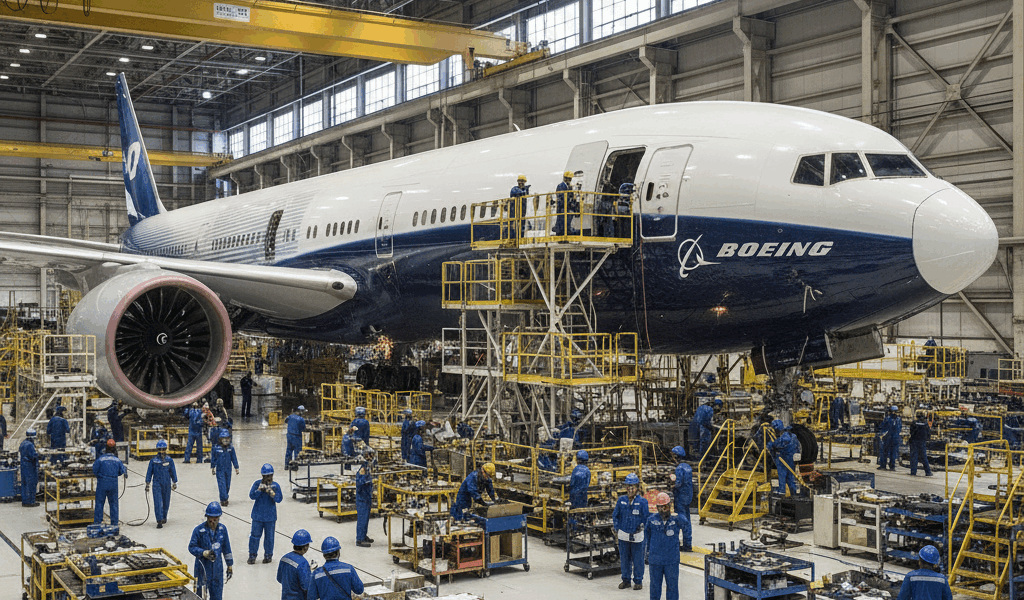
The Boeing 777 looks inevitable now — the world’s most successful wide-body aircraft, with thousands built and operated by every major long-haul carrier. As someone who’s spent years studying aviation engineering and commercial aircraft programs, I’ve learned everything there is to know about why “inevitable” is exactly the wrong word for what actually happened between the concept and the aircraft at the gate. Today, I’ll share it all with you.
Between the 777 concept and the certified aircraft, there were engineering problems of a kind that don’t have obvious solutions — problems involving materials that didn’t exist yet, manufacturing tolerances never previously achieved in commercial aviation, and aerodynamic challenges that required rethinking assumptions about how large turbofan engines could be integrated into an airframe.
The Engine Problem: Getting That Fan Diameter Off the Ground
The 777’s engines are notable even by current standards. The General Electric GE90-115B, the most powerful production jet engine ever built, produces 115,000 pounds of thrust and has a fan diameter of 128 inches — over 10 feet across. Getting engines this large onto an aircraft while maintaining adequate ground clearance requires the 777’s distinctive landing gear configuration — six main wheels per strut, in a bogie arrangement.
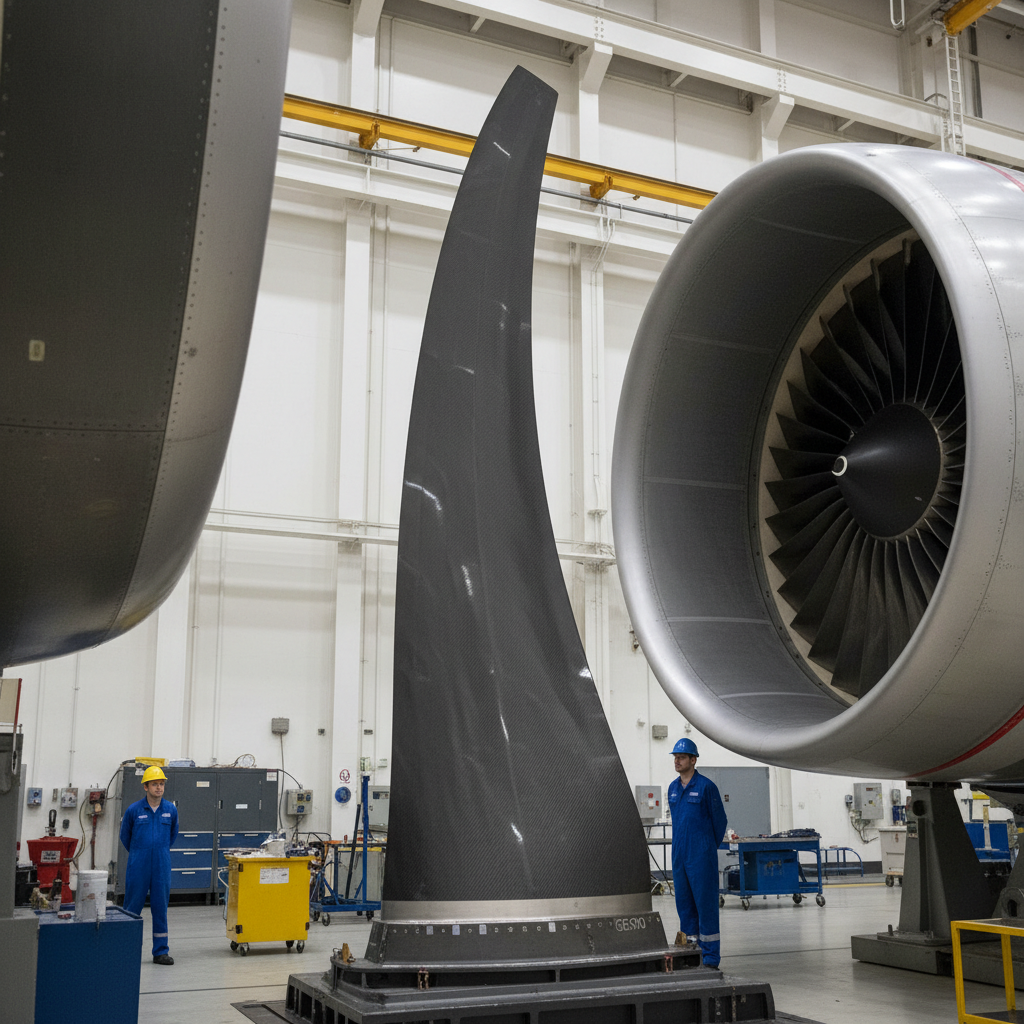
Probably should have led with the fan blade story, honestly — it’s where the engineering got genuinely difficult. GE’s composite fan blades for the GE90 were made using carbon fiber laid at multiple orientations and pressure-cured — a process that produced blades lighter and stronger than titanium equivalents but required manufacturing tooling and quality control processes that had to be invented essentially from scratch. The blade containment ring — designed to contain a blade if it separates from the rotor during flight — had to be tested with actual blade separations at operating RPM. These containment tests are among the most dramatic in the certification process; the blade fragments carry enormous energy. That’s what makes the GE90 engineering endearing to us who study turbine technology — the solution to an unsolved problem, built at scale.
Digital Fly-By-Wire: The Trust Problem
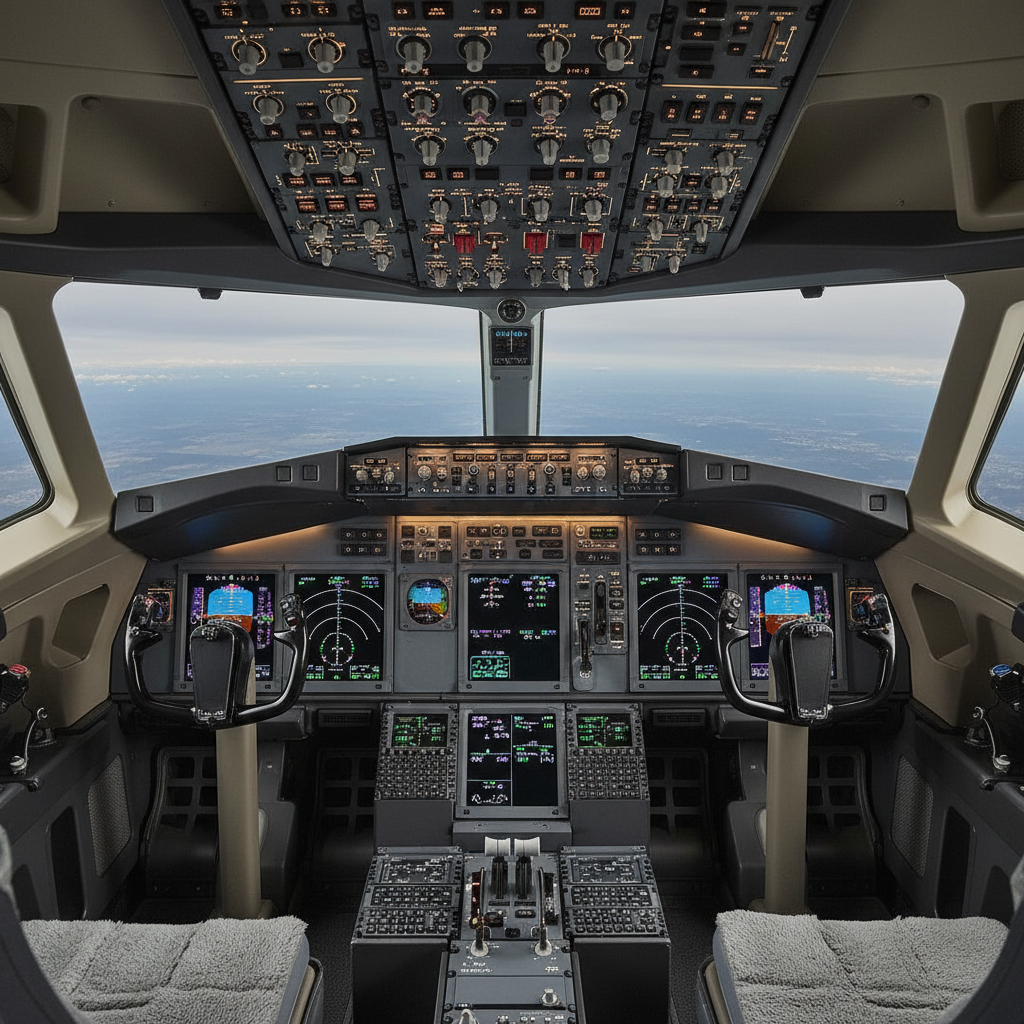
The 777 was the first Boeing commercial aircraft designed entirely with computer-aided design tools — no paper drawings — and the first to use digital fly-by-wire flight controls throughout. The certification challenge with fly-by-wire is demonstrating to the FAA that the system cannot fail in a way that creates uncontrollable aircraft conditions. The 777 uses a triply-redundant flight control computer architecture — three independent computer channels, each running different software written by different teams, so that a software error in one system would not simultaneously corrupt the others.
Demonstrating to regulators that this architecture meets the one-in-a-billion-flight-hour failure probability requirement for catastrophic failure modes required analysis and testing that took years. I’m apparently one of the few people who finds the regulatory certification argument more fascinating than the fly-by-wire technology itself — getting a regulator to trust something that had never been done before is harder than building the thing.
The Fuselage Structure: Building Bigger Than Before
Frustrated by the limitations of previous Boeing wide-body cross-sections, the 777 program committed to a fuselage diameter — 20 feet 4 inches — larger than any previous Boeing commercial aircraft. Building the fuselage sections required manufacturing tooling that didn’t exist. Boeing invested in new automated assembly tools and barrel-joining processes, including a nose-to-tail laser alignment system to ensure fuselage sections mated accurately enough to meet aerodynamic and structural requirements.
The aluminum alloy used for the fuselage skin incorporates higher percentages of lithium than earlier alloys — reducing weight while maintaining strength, but requiring new processing techniques and welding procedures. This was not a simple material substitution; it required engineering validation throughout the structural analysis and testing process.
Boeing’s Working Together Process
The 777 development introduced what Boeing called the “Working Together” process — structured collaboration between Boeing engineers, airline customers, and regulators during the design phase rather than at certification. Eight major airlines participated in design reviews that influenced everything from galley configurations to cockpit layout.
The most consequential customer input involved maintenance access. Airlines pointed out during early design reviews that certain maintenance tasks as initially designed would require hours of access panel removal — time that translates directly to aircraft out-of-service costs. Boeing redesigned numerous service access points based on this feedback, producing an aircraft meaningfully easier to maintain than its predecessors. The operating cost advantages of the 777 are partly attributable to this design process.
What the 777 Proved
When United Airlines accepted the first 777 in May 1995, it was a commercial aircraft that had solved engineering problems that weren’t fully defined when the program launched in 1990. The GE90 worked. The fly-by-wire system met its reliability requirements. The manufacturing process worked at scale. The 777 became the backbone of long-haul aviation for a generation. The problems Boeing had to solve to get there deserved to be remembered alongside the result.


Stay in the loop
Get the latest wildlife research and conservation news delivered to your inbox.