
Watch winder debates have gotten complicated with all the conflicting advice and marketing claims flying around. As someone who has tested winders across price ranges and watched collection needs, I learned everything there is to know about whether these motorized boxes actually help or hurt. Today, I will share it all with you.
The watch winder industry sells a compelling narrative: keep your automatic watches perpetually wound, ready to wear, and properly lubricated. But is this $200-$2000 motorized box actually protecting your investment, or is it an expensive solution to a problem that doesn’t exist?
The Case For Winders
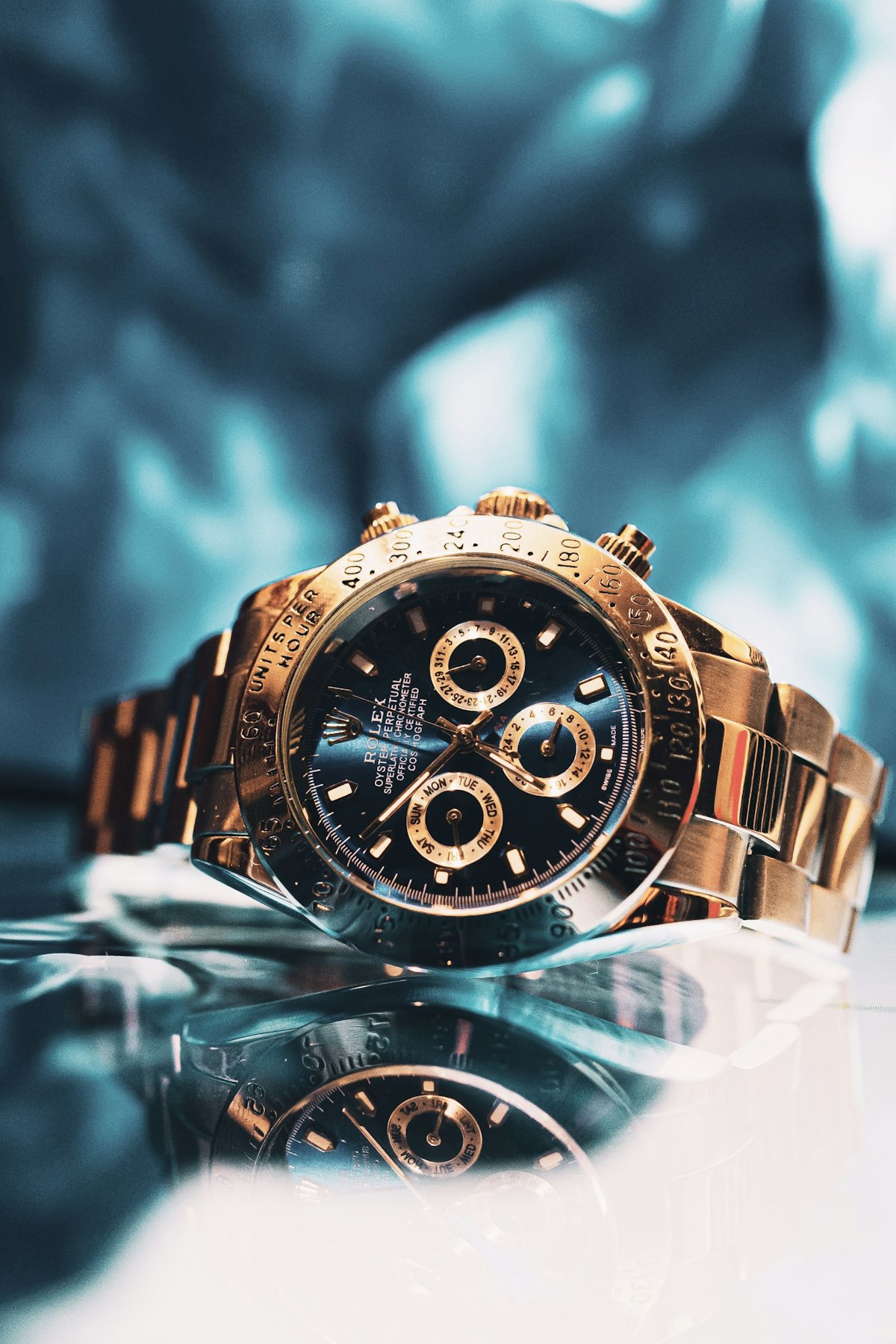
Probably should have led with this section, honestly. Automatic watch movements are designed to run continuously. The oscillating weight inside rotates with wrist motion, winding the mainspring and keeping the watch powered. When an automatic stops, the lubricants remain stationary, potentially allowing them to settle or congeal in ways that continuous operation would prevent.
For watches with complex calendar complications, perpetual calendars, or annual calendars, winders offer genuine utility. Resetting a perpetual calendar is a meticulous process requiring crown manipulation through months of dates. A Patek Philippe 5320G perpetual calendar stopped on February 28th requires cycling through every month until the current date, a tedious hour-long procedure best avoided entirely.
Watches with power reserve indicators under 40 hours particularly benefit from winders when rotating between multiple pieces. A JLC Master Ultra Thin Power Reserve at 38 hours will stop within two days off-wrist. If you have three or four such watches in rotation, winders prevent the morning hassle of setting date and time repeatedly.
The Case Against Winders
Here’s where the enthusiast community divides sharply. Many watchmakers argue that winders subject movements to unnecessary wear. An automatic on a winder might rotate 650-800 times daily, equivalent to wearing the watch. But the watch isn’t being worn, it’s being wound for no functional purpose. The mainspring coils and uncoils, the rotor spins, the gear train moves, all accumulating wear without providing timekeeping service.
That’s what makes this debate endearing to us watch enthusiasts—the experts genuinely disagree. Modern synthetic lubricants like Moebius 9010 are formulated to remain stable whether the watch runs or rests. The old concern about lubricants “settling” applies primarily to vintage watches with mineral-based oils. Contemporary movements can safely sit for months without lubrication degradation.
The rotor bearing is particularly relevant. In many movements, this is the first component to require service attention. Continuous winder operation accelerates wear on this bearing compared to intermittent wrist wear.
Quality Matters Enormously
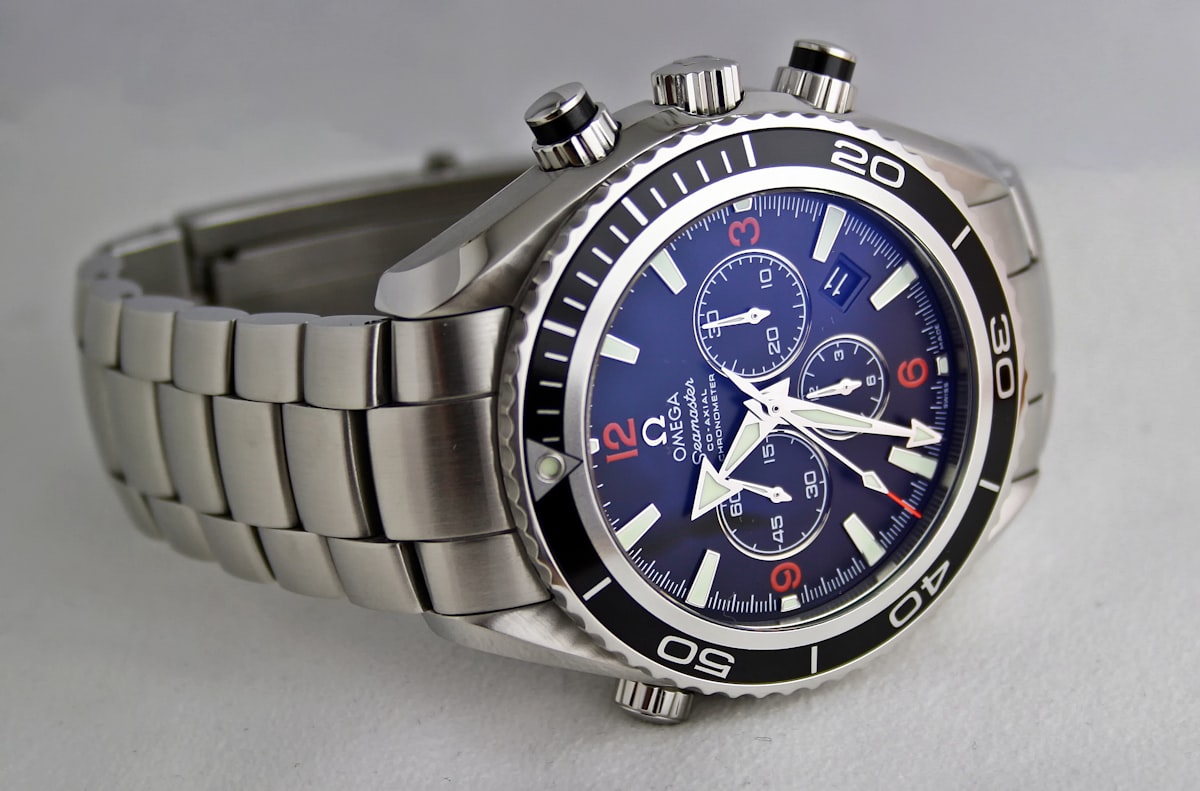
Cheap winders create more problems than they solve. Poorly shielded motors generate magnetic fields that can magnetize the hairspring, destroying accuracy. Inconsistent rotation patterns might not properly wind bidirectional rotors. Plastic gears wear and create debris that can infiltrate the watch case.
Quality winders like Swiss Kubik, Wolf, or Orbita use brushless motors with proper shielding, offer programmable TPD (turns per day) matching specific calibers, and rotate in patterns that mimic natural wrist movement. They’re engineered to support rather than stress the movement. They also cost $500-$2000 per watch slot.
The Turns Per Day Question
Every automatic caliber has an optimal TPD setting. A Rolex 3135 might need 650 TPD clockwise, while an ETA 2824 prefers 800 TPD bidirectional. Using a winder with incorrect settings either fails to maintain full wind or overworks the slipping clutch mechanism that protects against overwinding.
Many collectors don’t know their calibers’ specifications and use generic winder settings. This isn’t catastrophic, the clutch mechanism handles overwinding, but it’s not ideal. If you’re buying a winder to protect your investment, using improper settings somewhat defeats the purpose.
The Practical Middle Ground
Consider your actual needs honestly. Do you own perpetual calendar complications that are genuinely painful to reset? A winder makes sense. Do you rotate between multiple time-and-date watches with 60+ hour power reserves? You probably don’t need one.
For most collectors with three to five automatic watches worn in rotation, the winder serves primarily as a display case that happens to keep watches running. There’s nothing wrong with that, watches presented on quality winders look impressive. Just don’t convince yourself it’s essential maintenance.
My Recommendation
If buying a winder, invest in quality. A $50 winder is worse than no winder at all. If you can’t afford a properly engineered winder for each watch, skip them entirely. Your watches will be fine, perhaps better, sitting in a simple watch box between wears.
The brilliant or waste debate? It depends entirely on your collection complexity and your willingness to invest in proper equipment. For perpetual calendars and minute repeaters, winders are genuinely useful tools. For basic automatics, they’re nice-to-have luxuries, not necessities.

Stay in the loop
Get the latest ichronos updates delivered to your inbox.