Crystal material debates have gotten complicated with all the marketing claims and conflicting recommendations flying around. As someone who decided to settle this question with actual destruction testing, I learned everything there is to know about sapphire versus mineral glass. Today, I will share it all with you.
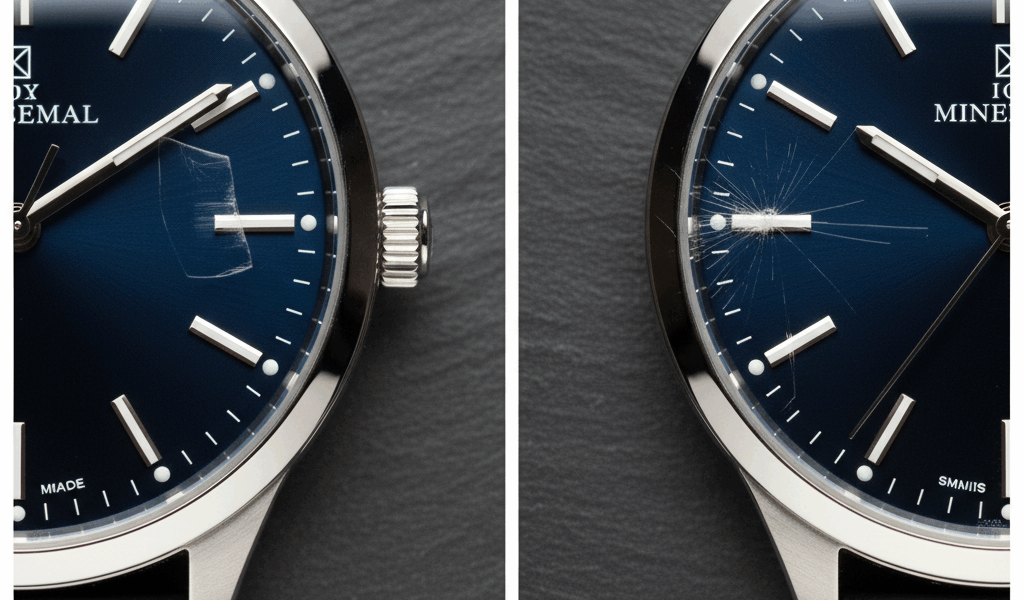
I did something that would make any watch collector cringe. I took two identical watch crystals, one sapphire and one mineral glass, and deliberately scratched them with increasing aggression. The goal was to settle the sapphire vs mineral debate with objective evidence. The results were more surprising than I expected.
The Test Subjects
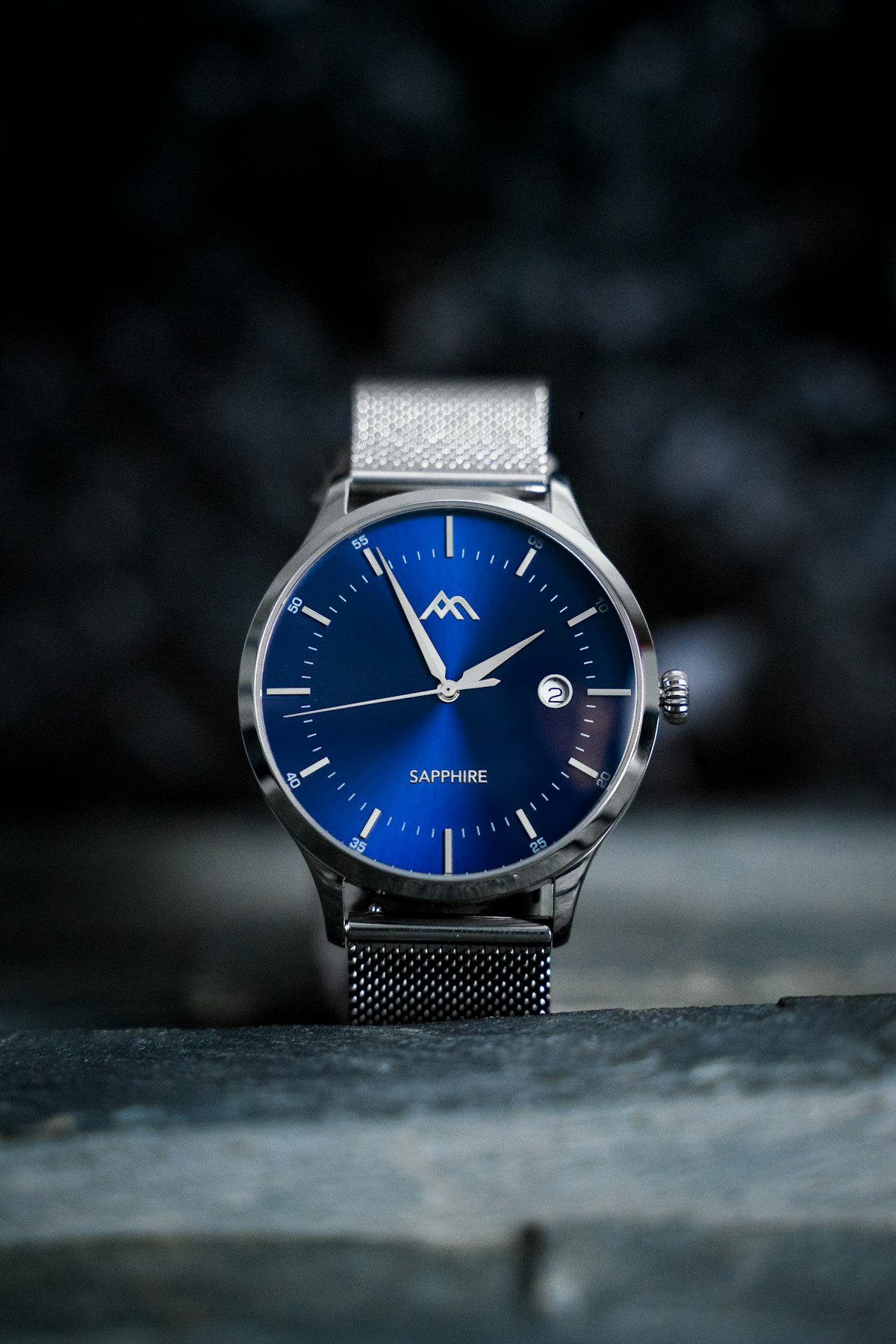
For this experiment, I sourced two flat crystals of identical dimensions: a genuine sapphire crystal rated at 9 on the Mohs hardness scale, and a standard mineral glass crystal rated at approximately 5-6 Mohs. Both were 31mm diameter with 2mm thickness, representative of typical dress watch specs.
Probably should have led with this section, honestly. The Mohs scale measures scratch resistance by testing which materials can scratch others. Sapphire sits just below diamond at 9, making it extraordinarily hard. Mineral glass, essentially tempered silica glass, occupies the middle ground at 5-6. For reference, steel keys typically rate around 5.5 Mohs, and sand contains quartz particles at 7 Mohs.
Round One: Everyday Carry
I started with common pocket items: keys, coins, and a ballpoint pen. After 30 seconds of deliberate scratching with a standard house key, the sapphire crystal showed absolutely nothing. Not a mark. The mineral glass, however, displayed fine scratches visible under direct light at certain angles.
This confirms what most collectors already know: sapphire laughs at your keys and coins. The metal is simply too soft to mark the crystal surface. Mineral glass, while decent, records every encounter with harder objects in its surface.
Round Two: The Sand Test
That’s what makes beach sand endearing to us material science nerds—it’s the great equalizer. Beach sand, containing quartz particles at 7 Mohs, challenged both crystals. I rubbed both crystals with fine sand under light pressure for 60 seconds.
The mineral glass was devastated. Deep scratches, swirl marks, and a cloudy appearance made it look like it survived a decade of beach vacations in one minute. The sapphire fared better but not perfectly. Under magnification, fine scratches were visible. The quartz in sand can indeed mark sapphire, though the damage was far less severe than mineral glass.
Round Three: Extreme Measures
For the final test, I used a silicon carbide sharpening stone, rated around 9-9.5 Mohs. This was brutal. The mineral glass scratched deeply with minimal pressure. The sapphire required significantly more force but eventually showed scratching. Only diamond at 10 Mohs would be truly impervious.
The Shatter Factor
Hardness isn’t everything. I dropped both crystals flat onto concrete from waist height. The mineral glass survived three drops before cracking on the fourth. The sapphire shattered on the first impact, breaking into several pieces.
This illustrates the critical tradeoff. Sapphire’s crystalline structure makes it incredibly hard but also brittle. It resists scratching brilliantly but lacks the flexibility to absorb impact energy. Mineral glass, being amorphous rather than crystalline, can flex slightly and is more impact-resistant despite scratching easily.
Real-World Implications
For desk divers and office workers, sapphire is the obvious choice. Your watch will look pristine for years, unmarked by keys, sleeves, or doorframes. The primary threat to sapphire in normal wear isn’t scratching but rather edge chips from hard impacts against granite countertops or steel door frames.
For genuinely active individuals, especially those working around sand or abrasive materials, the equation changes. A scratched mineral crystal can be polished or inexpensively replaced. A shattered sapphire crystal requires expensive replacement and might mean days without your watch.
The Middle Ground: Hardened Mineral
Some manufacturers offer hardened mineral glass, chemically treated to increase surface hardness to around 7 Mohs. This provides meaningful scratch resistance against everyday items while maintaining mineral glass’s impact tolerance. It’s a pragmatic choice for field watches and beaters.
My Conclusion
Sapphire wins the scratch resistance battle decisively against anything except abrasive minerals. But it’s not invincible, and its brittleness is a real consideration. For most collectors, sapphire remains the superior choice. For true tool watches expected to see hard use, a quality mineral crystal that can take impacts and be cheaply replaced might actually serve better.
Know your use case, choose accordingly, and remember: even sapphire meets its match at the beach.

Stay in the loop
Get the latest ichronos updates delivered to your inbox.